Anchor Failure: Why It Happens and How to Sleep Soundly on the Hook
There are few things in boating as genuinely peaceful as a quiet night spent on the hook. The gentle lapping of water against the hull, the stillness of the air, the feeling of being self-sufficient and secure in a beautiful anchorage.

Dwayne Rodrigues
Boat Owner & Enthusiast
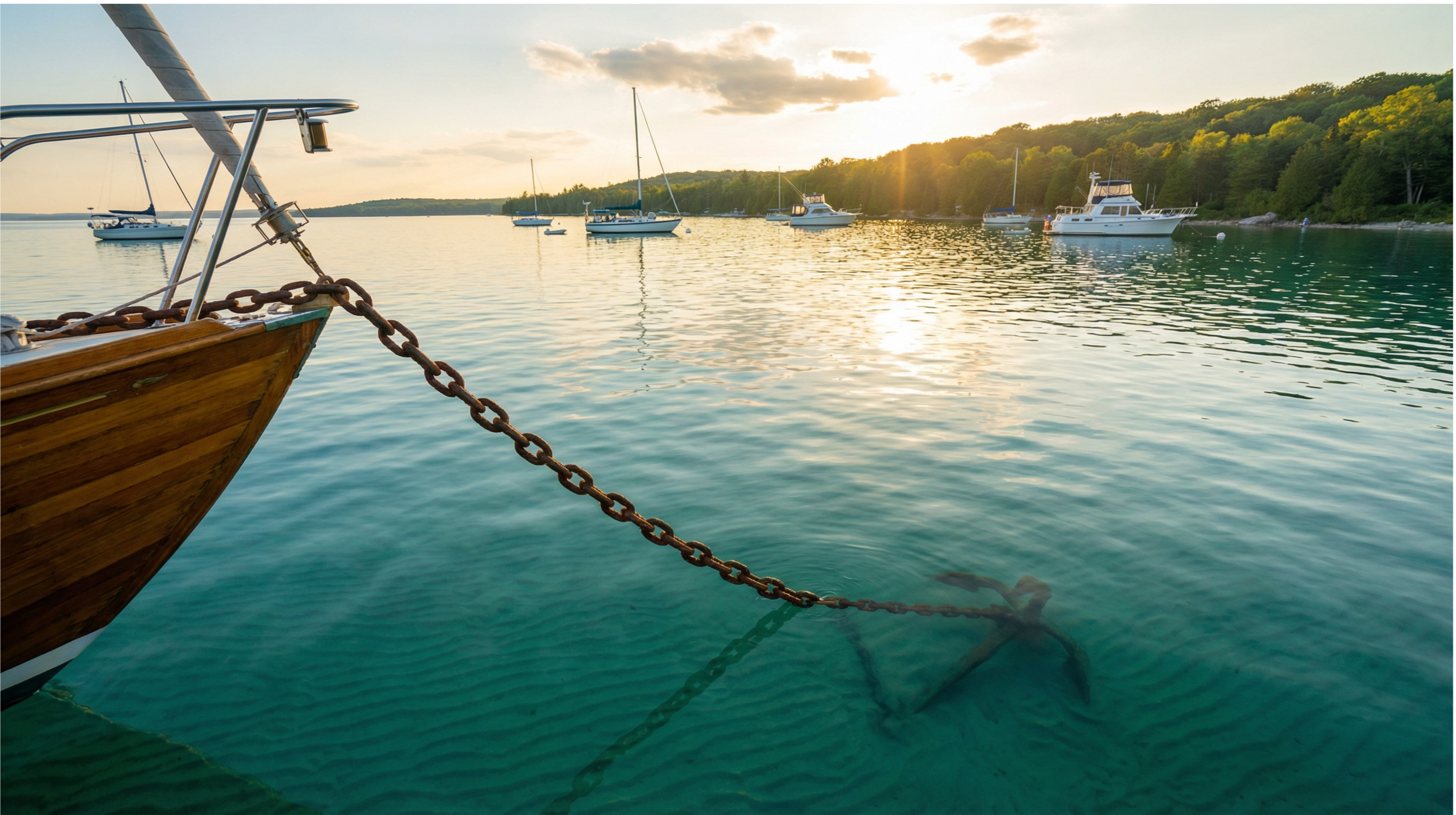
There are few things in boating as genuinely peaceful as a quiet night spent on the hook. The gentle lapping of water against the hull, the stillness of the air, the feeling of being self-sufficient and secure in a beautiful anchorage. You cooked dinner, watched the sunset, and now you're drifting off to sleep with the soft creak of the boat as your lullaby.
Then the anchor alarm goes off.
One minute you're sound asleep, the next you're jolted awake by a screech from your phone or chartplotter. Your boat, which was once safely stationary, is now drifting. A silent, heavy vessel at the mercy of the wind and waves. It's a dangerous, stressful, and entirely preventable scenario.
Here's the thing about anchor failure, it's rarely the anchor's fault. While modern anchors are marvels of engineering, even the best anchor in the world will fail if deployed incorrectly. Understanding the common failure scenarios and the prevention techniques isn't just good seamanship; it's fundamental to your safety. This is especially true in the crowded and sometimes challenging conditions we see at events like the Pottahawk Pissup, or in the exposed, wind-prone anchorages of Lake Erie and the broader Great Lakes.
Quick Takeaways
Anchor failure is almost never the anchor's fault. The most common causes are insufficient scope (the ratio of anchor line to water depth), poor holding ground, and sudden wind or current shifts. A 7:1 scope is the gold standard for overnight anchoring. Always use a quality modern anchor sized for your boat, with at least 20-30 feet of heavy chain. Marking your anchor rope so you know exactly how much line is out is non-negotiable. Setting an anchor alarm and knowing how to spot the early signs of dragging are skills every boater needs, especially in the crowded, dynamic conditions at events like the Pottahawk Pissup.
The Anatomy of an Anchor Failure
So, what actually causes an anchor to let go? It almost always comes down to one of three critical mistakes: insufficient scope, poor holding ground, or being unprepared for a shift in conditions. Let's break each one down.
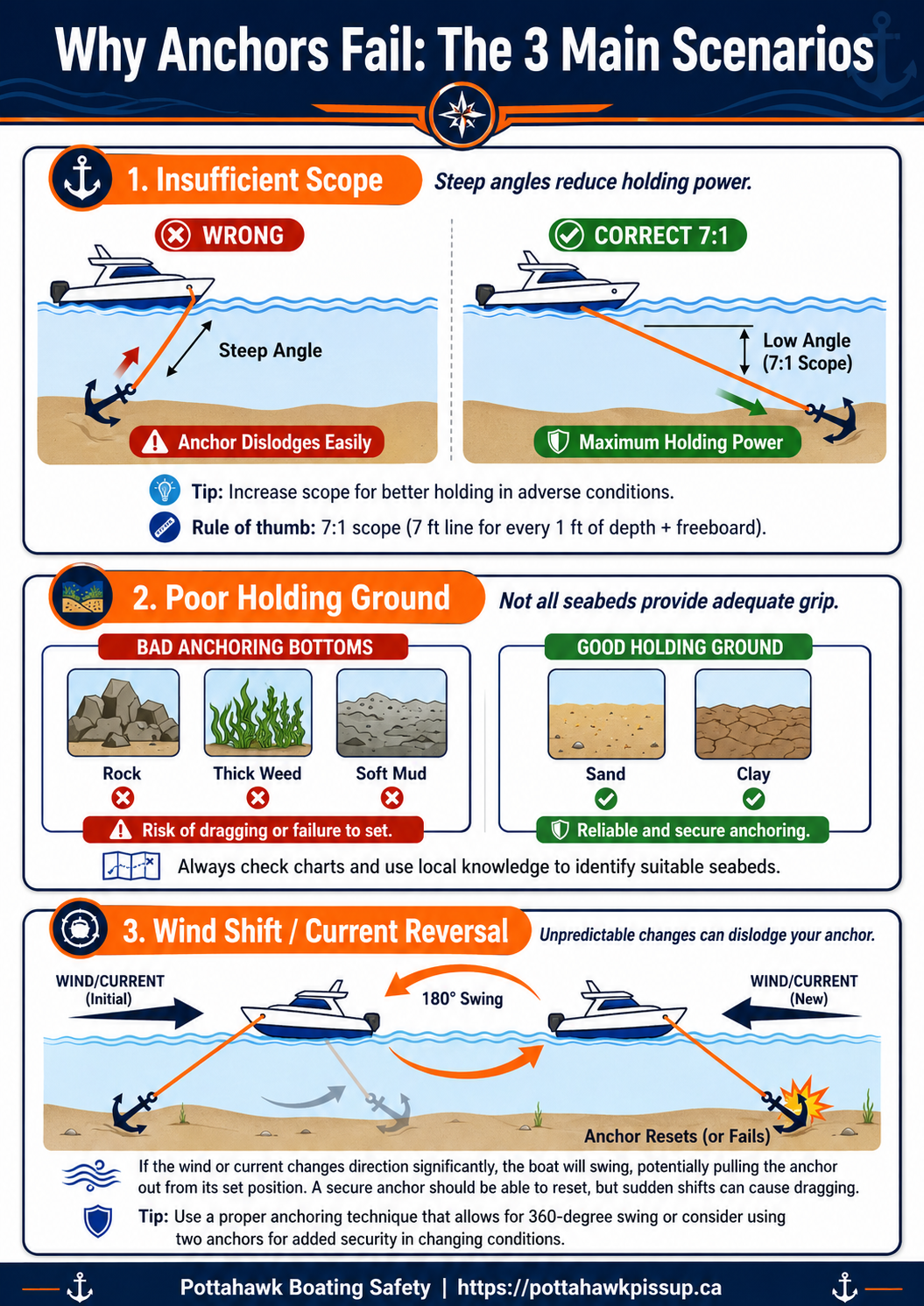
Scenario 1: The Scope Is Too Short
This is, without a doubt, the number one cause of anchor dragging. Scope is the ratio of the length of your anchor rope (the line or chain connecting your anchor to your boat) to the vertical distance from your bow to the seabed. For an anchor to dig in and develop its full holding power, the pull on it must be as horizontal as possible. If you pull upward on it, it breaks free. It's that simple.
A short scope creates a steep, upward angle of pull. Even a small amount of wave action or a moderate gust of wind can be enough to lift the anchor shank, break it out of the bottom, and start a drag. Many boaters think a 5:1 scope is enough, and for a brief lunch stop in calm weather, it might be. But for overnight anchoring, or any time the wind is up, it's a recipe for disaster.
As we cover in our Lake Erie Boating Safety Guide, being prepared for changing conditions is the cornerstone of safe boating on the Great Lakes. The gold standard for overnight security is a 7:1 scope. In heavy weather or storm conditions, many experienced cruisers go to 10:1 or even more. The key calculation that most people miss is this: you must calculate your scope based on the highest anticipated water level, and you need to add the distance from the waterline to your bow (called freeboard). A bow that sits four feet above the water adds four feet to your effective depth. Miscalculate at low tide, and you could find yourself dangerously short-scoped when the water rises overnight.
The only way to know how much rope you have out is to mark it. Spray paint, coloured zip ties, or sewn-in markers every 25 feet are all valid methods. There is no guessing, no counting chain links, no rough estimates. You must know your numbers.
Scenario 2: The Bottom Betrays You
Your anchor is only as good as the ground it's dug into. Different anchors are designed for different bottom types, but some seabeds are just plain bad for anchoring, regardless of what you're using. The most common problem bottoms are:
Rock or Shale: The anchor can't penetrate and just skips along the surface, or it may appear to catch, only to be precariously wedged in a crack, ready to pop out with the slightest shift in pull direction.
Thick Weed: A dense bed of seaweed can prevent the anchor from ever reaching the actual seabed. It feels set, but it's just hooked on a clump of vegetation that can tear free with very little force. This is a surprisingly common problem in parts of Lake Erie and the north shore of Lake Ontario.
Very Soft Mud: Some modern high-performance anchors do reasonably well in soft mud, but if it's too soupy, the anchor can just plow through it without developing any real holding power. You'll feel it set, back down on it, and everything seems fine until a gust hits.
Hard, Scoured Sand or Clay: In areas with strong currents, the bottom can be packed down as hard as concrete. Even a sharp, modern anchor can struggle to penetrate, skipping across the surface instead of biting in.
Good charts and a bit of local knowledge can help you identify potentially poor holding grounds before you even arrive. Our Long Point Bay Boater Navigation Guide is a good example of the kind of area-specific knowledge that can save you a very bad night.
Scenario 3: The 180-Degree Wind Shift
You anchor for a southerly wind, setting your hook perfectly. The boat is secure, the rope is taut, and you're confident. But overnight, a frontal passage brings a sharp wind shift to the north. Your boat swings 180 degrees, and now the pull on the anchor is coming from the exact opposite direction. This is a moment of high risk.
Many older anchor designs, and even some modern ones, don't handle this reversal gracefully. They can get tripped by the anchor chain wrapping around the shank, break out of the bottom, and fail to reset. Even if they do eventually reset, they may drag for a considerable distance before digging in again. In a crowded anchorage, that distance could put you into another boat, onto a shoal, or worse.
This is especially critical in raft-up situations, where multiple boats are connected and a single dragging anchor can cause a catastrophic chain reaction. We explore this in detail in our guide on how to safely attend large boat raft-ups, but the short version is, the lead boat's anchor is everyone's anchor, and its failure affects the entire raft.
The Non-Negotiable Prevention Toolkit
Preventing anchor failure is an active, ongoing process. It starts long before you drop the hook and continues until you weigh it. Here is what every boater needs to have in their toolkit.
Gear: Chain is King
Your anchor system is only as strong as its weakest link, and that link is almost always the rope. While all-rope are common on smaller trailered boats, they lack the weight to help keep the anchor's pull horizontal. The weight of the chain, called catenary, creates a natural curve in the rope that acts as a shock absorber and keeps the anchor's angle of pull low and flat.
The best setup for any boat that anchors regularly is an all-chain instead of rope. If that's not practical for your boat, you need at minimum one boat length (20-30 feet) of heavy chain between your anchor and your rope. Don't skip this. It makes a significant difference.
For the anchor itself, modern designs like the Rocna, Mantus M1 or M2, SPADE, or Ultra have largely replaced older designs like the CQR, Bruce/Claw, and Danforth for good reason. They set faster, hold harder, and are better at resetting themselves after a wind shift. Size matters too. When in doubt, go one size up from what the manufacturer recommends for your boat length.
Technique: The Art of Setting the Anchor
Dropping the anchor and hoping for the best is not a technique. Proper setting takes a few extra minutes and is worth every second.
Approach slowly. Come to a complete stop, then let the boat drift backward with the wind or current as you lower the anchor. Don't drop it in a pile, let the boat's movement lay the chain out in a straight line.
Snub it. As you approach your desired scope, gently snub the line to help the anchor start to bite.
The hard set. Once all the rope is out, use your engine in reverse. Start slowly and gradually increase to about 1,500 RPM. Watch the anchor chain. It should be bar-tight and vibrating slightly. The boat should stop dead in the water. If it doesn't, or if you feel a series of jerks and jolts, your anchor is dragging. Pull it up and try again in a different spot or with more scope.
Monitoring: Set an Anchor Alarm
This is not optional. Modern GPS chartplotters all have anchor alarm functions. There are also excellent smartphone apps like Anchor Watch or Garmin ActiveCaptain that use your phone's GPS to monitor your position. Set the alarm with a tight radius (geofence) around your boat. If your boat moves outside that circle, the alarm sounds, giving you precious time to react before you end up on the rocks or in your neighbour's cockpit.
In addition to the electronic alarm, take visual transits when you first anchor. Line up a tree with a rock, or a buoy with a point of land. If those objects start to shift relative to each other, you are dragging. Check them again after 15 minutes, and then periodically throughout your stay.
A Word on Anchoring at Pottahawk
The Pottahawk sandbar presents a unique anchoring challenge. The water is shallow, the bottom is sandy, and hundreds of boats are all anchored in close proximity. The shallow depth means scope is critical; in three feet of water, a 7:1 scope means you need 21 feet of rope or chain out minimum, plus the distance from your bow to the waterline. With boats packed in tightly, you also have very little room to swing.
Many experienced Pottahawk boaters use two anchors, one off the bow and one off the stern, to prevent swinging and reduce the load on any single anchor. It's a technique worth considering if you plan to stay for the day or even overnight. The last thing you want is to be the boat that drags through the raft-up.
Trust Your Gut
Once the anchor is set and the alarm is on, take a moment to look around. If you feel uneasy about the anchorage, the weather forecast, or how your anchor set, don't ignore that feeling. It's always better to pull up and re-anchor, or move to a more protected spot, than to spend a night full of anxiety. A good night's sleep is the reward for diligent, careful anchoring technique. And honestly, there's no better feeling than waking up in the exact same spot where you fell asleep.
Sources & Further Reading
Tags
Share
Read Next
 Safety
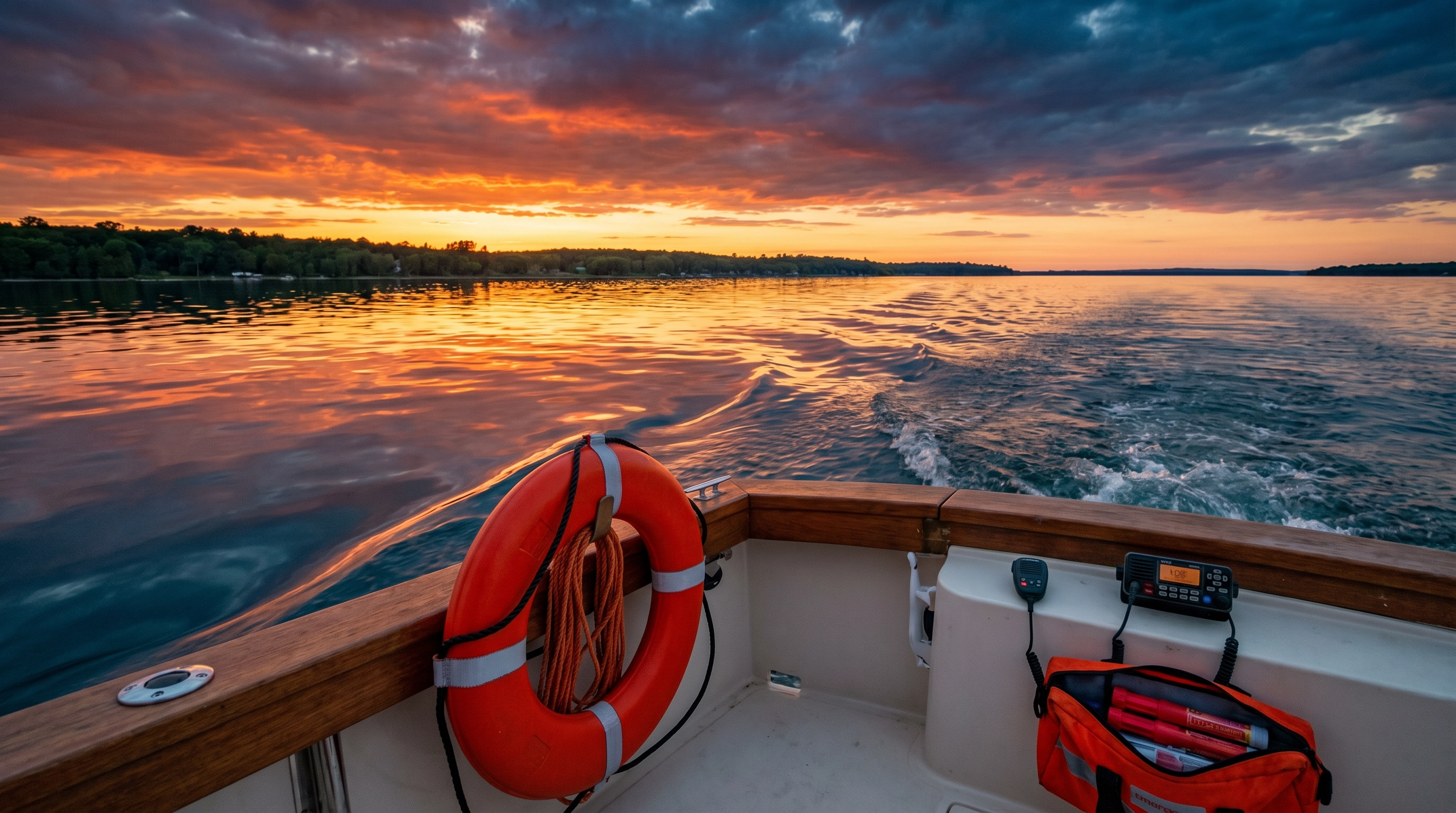
Marine Emergencies: A Complete Guide to On-Water Incidents
There is a moment every boater dreads. You are cruising along, enjoying the sun and the water, when suddenly the engine cuts out, smoke starts billowing from the hatch, or someone slips and falls over the rail. In that split second, the peaceful day on the

Dwayne Rodrigues
Boat Owner & Enthusiast
 Safety
Do You Need a Boating Licence in Canada?
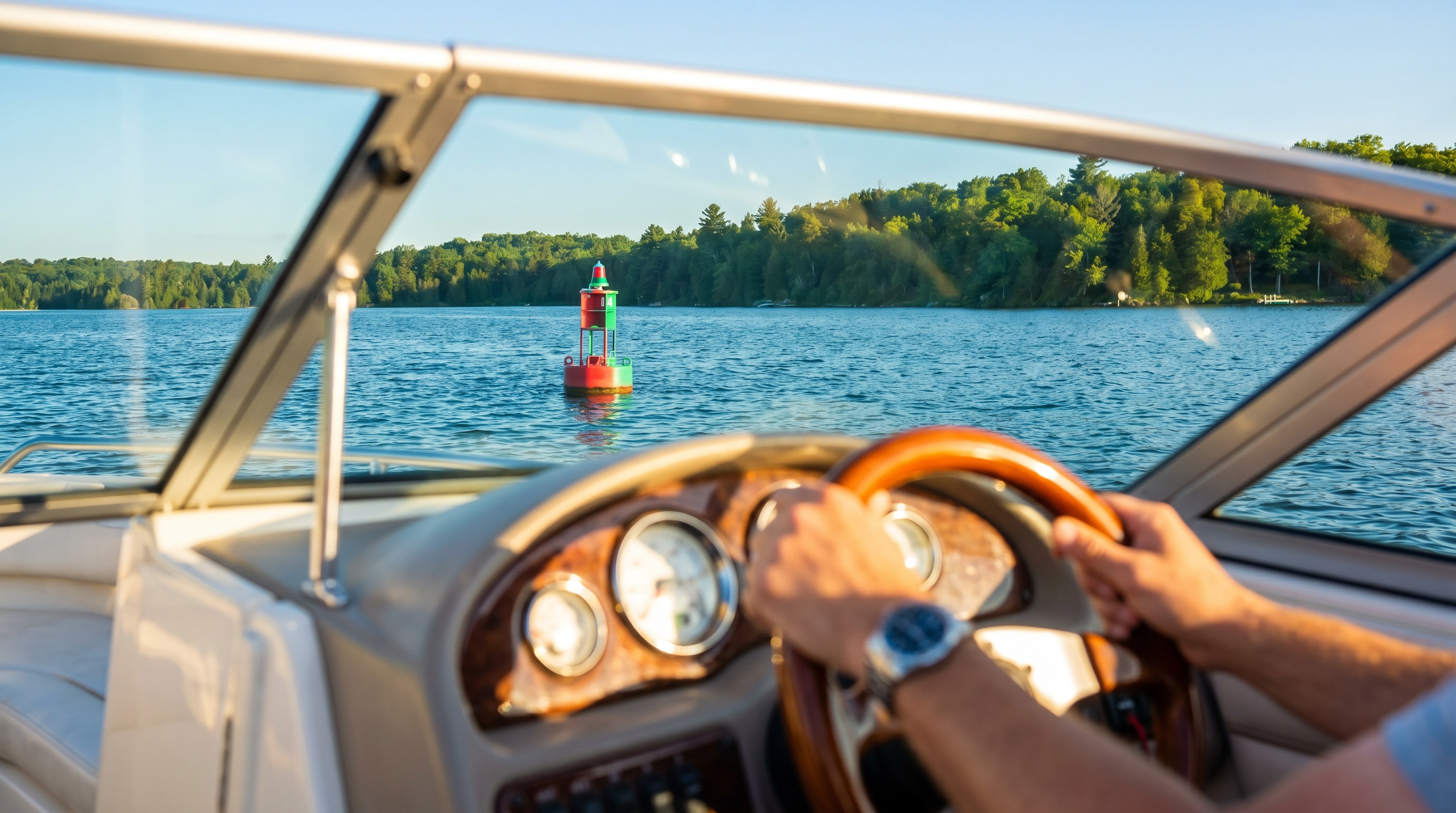
If you are planning to spend any time on the water this summer, you have probably asked yourself the big question: do you need a boating licence in Canada? The short answer is yes. If your boat has a motor, you need a licence.
Dwayne Rodrigues
Boat Owner & Enthusiast
 Safety
How to Avoid Running Aground: A Boater's Guide to Shallow Water Safety
Running aground is one of those boating experiences that ranges from a minor, face-reddening embarrassment to a catastrophic emergency. One minute you are cruising along enjoying the sun, and the next, there is a sickening crunch, a sudden stop, and every
Dwayne Rodrigues
Boat Owner & Enthusiast