How to Avoid Running Aground: A Boater's Guide to Shallow Water Safety
Running aground is one of those boating experiences that ranges from a minor, face-reddening embarrassment to a catastrophic emergency. One minute you are cruising along enjoying the sun, and the next, there is a sickening crunch, a sudden stop, and every

Dwayne Rodrigues
Boat Owner & Enthusiast
Quick Takeaways
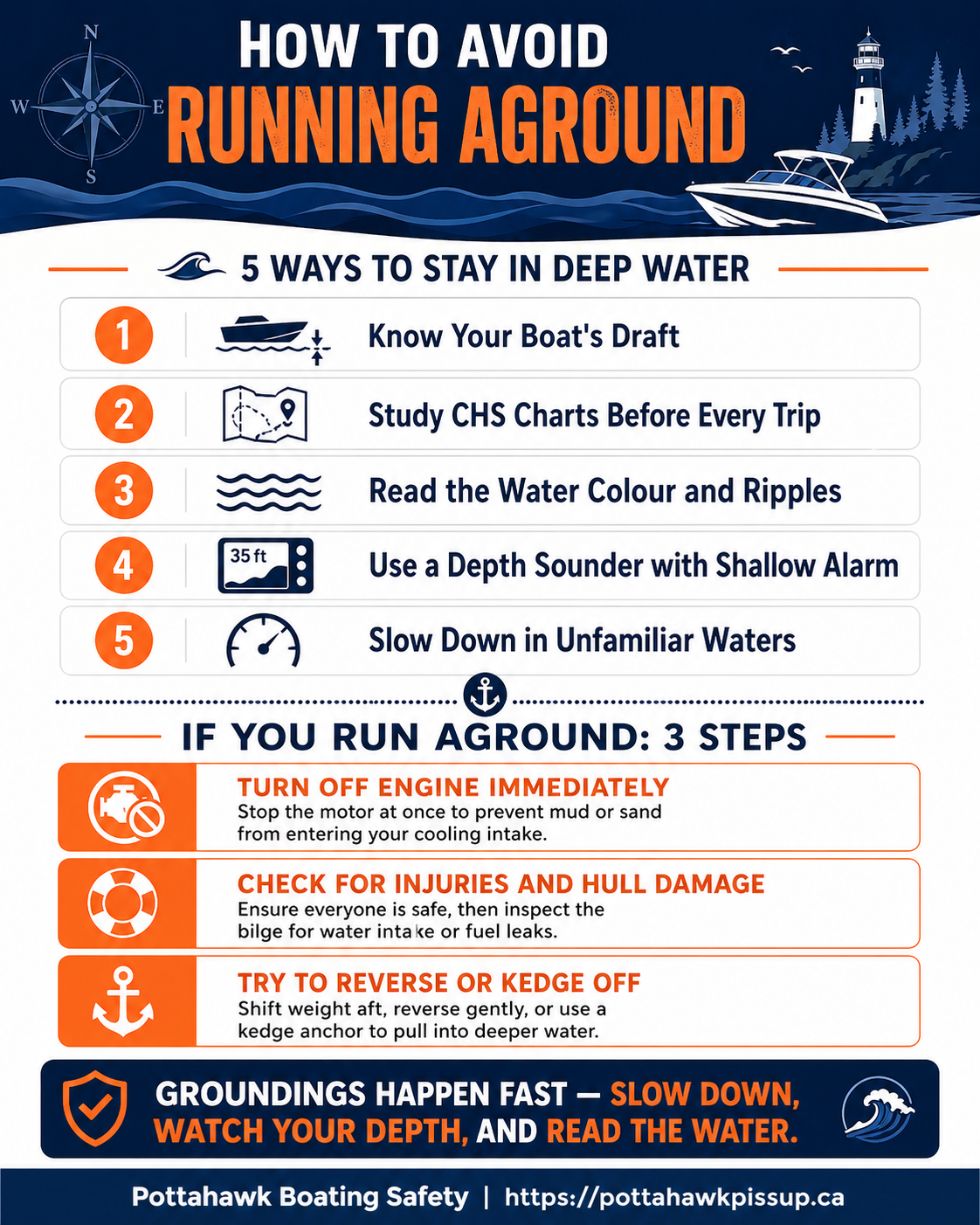
Know your draft: Always know exactly how much water your boat needs to float safely.
Study the charts: Review Canadian Hydrographic Service (CHS) charts before every trip, not just the first time.
Watch the water: Look for colour changes, ripples, or breaking water that indicate shallow shoals.
Stop immediately: If you run aground, turn off your engine right away to prevent sucking mud or sand into your cooling system.
Lake Erie hazards: Be especially careful around Bluff Bar and the First Sandbar in Long Point Bay, where depths can drop from 20 feet to ankle-deep instantly.
Running aground is one of those boating experiences that ranges from a minor, face-reddening embarrassment to a catastrophic emergency. One minute you are cruising along enjoying the sun, and the next, there is a sickening crunch, a sudden stop, and everyone is thrown forward.
Whether you are navigating the shifting sandbars of Lake Erie or exploring a new inlet, knowing how to avoid running aground is a fundamental skill for any Canadian boater. It is not just about protecting your pride or your propeller. It is about keeping your crew safe and your vessel intact. Let us look at why groundings happen, how to prevent them, and exactly what to do if you find yourself stuck in the mud.
Why Boats Run Aground
Groundings happen when the water is no longer deep enough for your vessel to float. While that sounds obvious, the reasons why boaters find themselves in shallow water are varied.
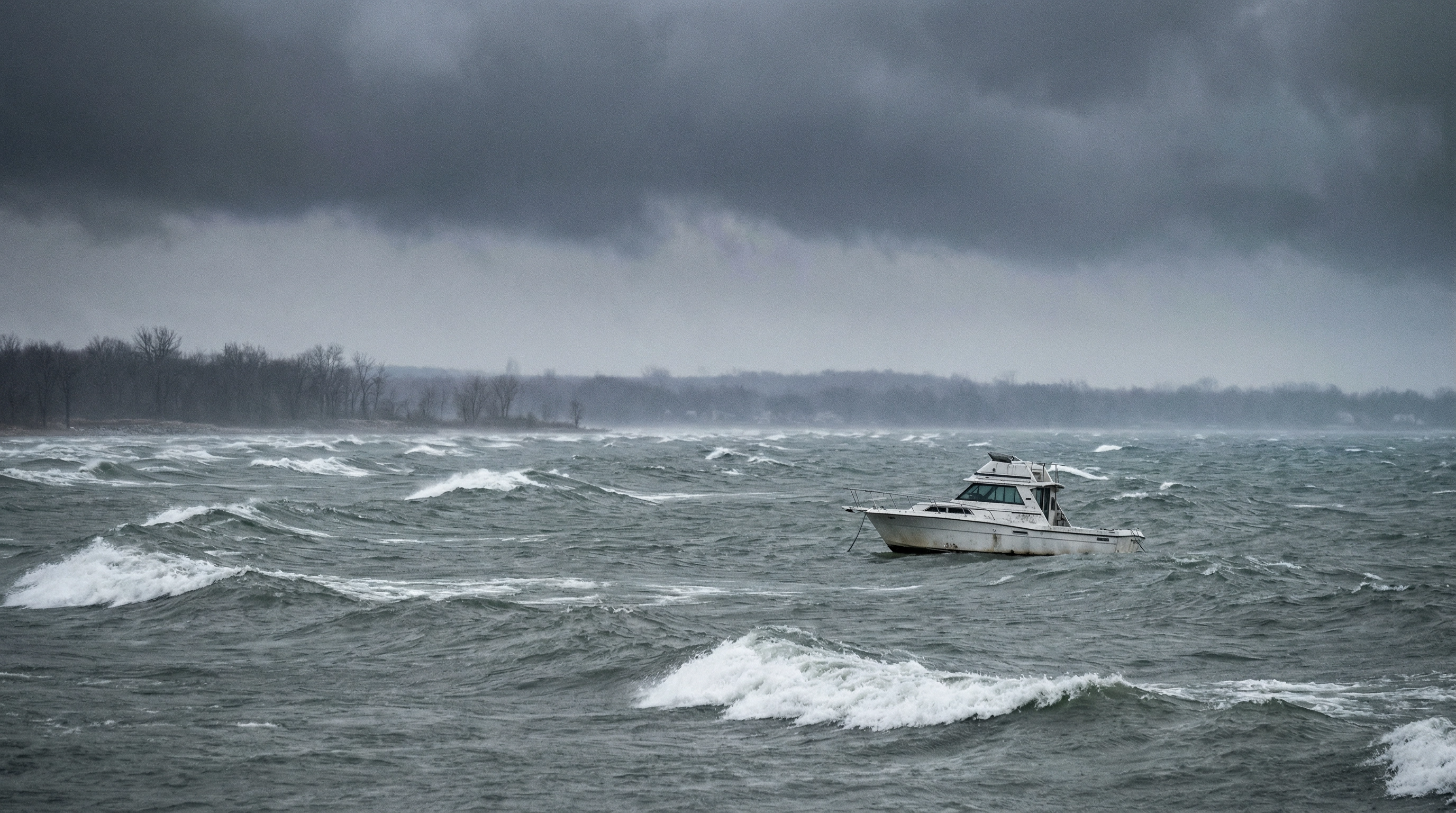
Sometimes it is a sudden change in water depth caused by fluctuating water levels, which is incredibly common on the Great Lakes. Other times, a sudden storm or high winds can blow a boat off course and toward shallow hazards before the captain has time to react.
However, the most common culprits are navigational error and boater fatigue. It is easy to lose focus after a long day on the water, misread a channel marker, or simply assume that because you navigated a route safely last year, it is still safe today. Sandbars shift, especially after winter storms, and what was a deep channel last season might be a hazard this season.
The Real Risks of Hitting Bottom
Running aground is rarely a gentle experience. Depending on your speed and what you hit, the consequences can be severe. According to Drive a Boat Canada, the risks include:
Structural Hull Breach: Hitting rocks can punch a hole in your hull. In some cases, the rock you hit might actually be plugging the hole. If you immediately try to push off, you could cause rapid flooding.
Propulsion Damage: Striking a hard surface can bend or break propellers, rudders, and shafts. Even if you hit soft sand or mud, running your engine while stuck can suck debris into your raw water intake, causing permanent engine damage.
Personal Injury: A sudden stop at cruising speed can throw passengers against hard surfaces, leading to broken bones or head trauma.
Cold Water Immersion: If a severe grounding leads to capsizing or sinking, passengers are at risk of cold water shock, which is a leading cause of death in Canadian waters.
Being Stranded: If you run aground in a remote area or get stuck on a shifting sandbar as the water level drops, you could be stranded for hours, exposed to the elements or incoming storms.
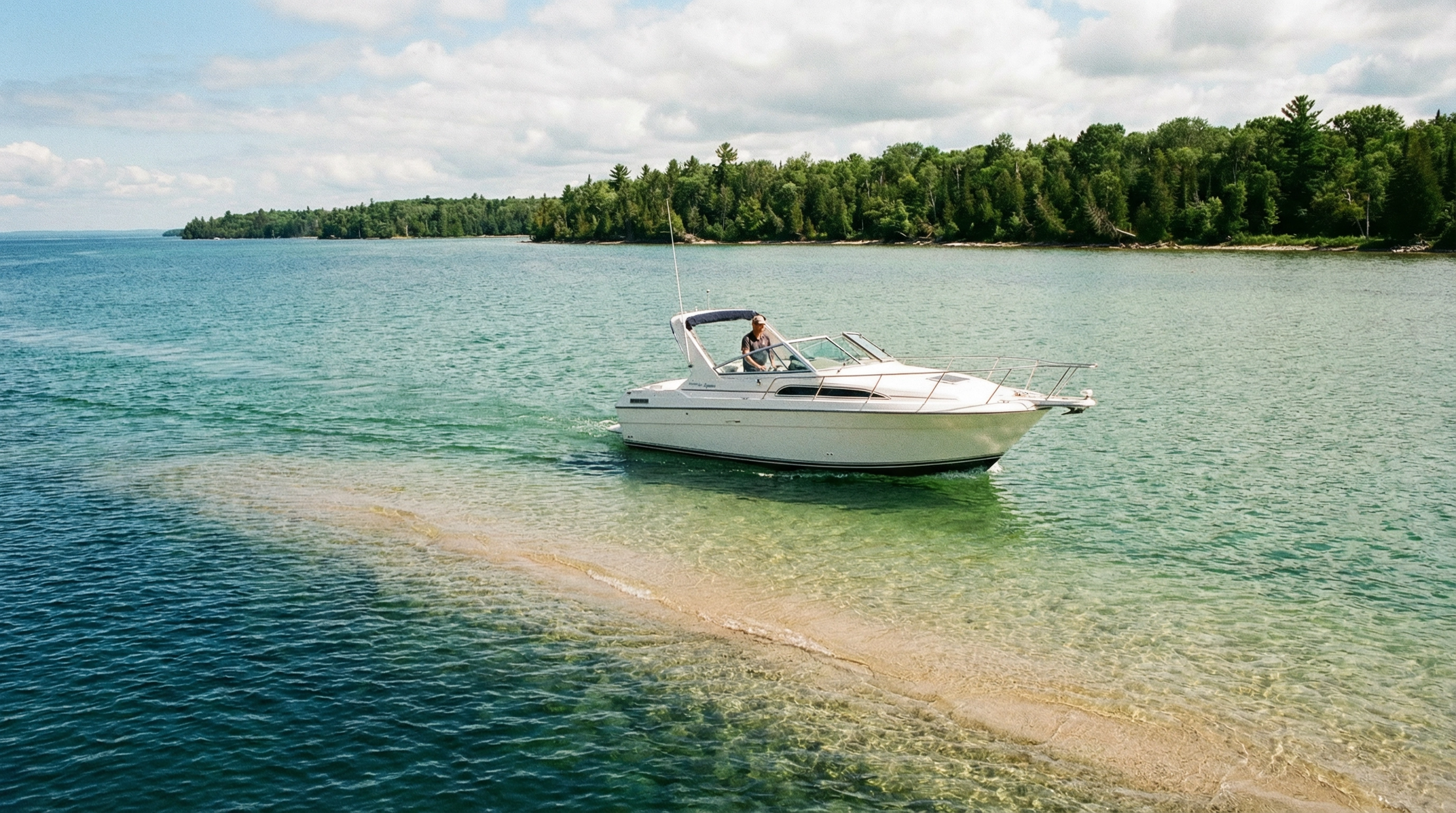
A sobering example occurred in June 2025 on Lake Erie. The 117-foot passenger vessel Goodtime I ran aground on Buckeye Reef near Ballast Island. It took a coordinated effort involving a smaller ferry to evacuate over 100 passengers, and commercial salvors had to remove 1,500 gallons of diesel fuel before the ship could be safely refloated the next day. While thankfully no one was injured, it highlights how quickly a routine trip can turn into a major incident.
5 Proven Ways to Avoid Running Aground
Preventing a grounding comes down to preparation, awareness, and using the right tools. Here is how to keep your hull in deep water.
1. Know Your Boat's Draft
Your boat's draft is the minimum depth of water it needs to float without touching the bottom. You need to know this number exactly. Keep in mind that your draft changes based on how heavily your boat is loaded with passengers, gear, and fuel. Always err on the side of caution and give yourself a healthy margin of error.
2. Study Canadian Nautical Charts
Never venture into unfamiliar waters without consulting a nautical chart. The Canadian Hydrographic Service (CHS) publishes detailed charts for all Canadian waterways, and as of 2022, all digital CHS charts are available as free downloads.
Learn to read the depth contours and colour coding. Generally, white or light blue indicates deeper, safer water, while dark blue warns of shallow areas (usually 0 to 10 metres). Green indicates the foreshore or intertidal zones. Do not just glance at the chart before you leave the dock, keep it accessible and reference it continuously as you navigate.
3. Read the Water
Technology is great, but your eyes are your best defense. Learn to read the surface of the water for clues about what lies beneath.
Look for sudden changes in water colour. Deep water usually looks dark blue or black, while shallow water over sand might look light green or brown. Watch for ripples, eddies, or breaking water in areas where the rest of the surface is calm; this often indicates a submerged shoal or reef just below the surface. Also, pay attention to where other boats are not going. If you see a wide expanse of water but all the local traffic is crowded into one narrow channel, there is probably a very good reason for it.
4. Use Your Depth Sounder Wisely
A depth sounder is an invaluable tool, but it only tells you the depth of the water currently under your boat, not what is 50 feet ahead. Set a shallow water alarm to give you an audible warning if the depth drops suddenly.
Combine your depth sounder with marine navigation apps like Navionics or Garmin ActiveCaptain, but remember the golden rule: never rely solely on GPS. Always cross-reference your electronic tools with visual observations and official charts.
5. Slow Down in Unfamiliar Waters
Speed is the enemy when you are unsure of the depth. If you are exploring a new anchorage or navigating a tricky channel, pull the throttle back. If you do happen to touch the bottom at idle speed, the damage will likely be minimal, and you will have a much better chance of backing off safely. Hitting a sandbar on plane is a completely different story.
Navigating Lake Erie's Shallow Hazards
If you boat on Lake Erie, particularly around Long Point Bay, you need to be hyper-aware of shifting sandbars. The very features that make the bay such a great destination for the Pottahawk Pissup also make it a navigational challenge.
According to local experts, there are several specific hazards to watch out for:
Bluff Bar (The Second Sandbar): Located in the Outer Bay, this massive sandbar originates at Long Point and hooks northwest. It is incredibly deceptive because it sits seemingly out in the middle of the lake. The depth can rise violently from 25 feet to ankle-deep water. It is marked by green buoys, and you should always go around it, never try to cut across.
The First Sandbar: This bar separates the Inner and Outer bays, running between Turkey Point and Pottahawk Point. To cross it safely, you must use the marked North Channel. There is an unmarked South Channel, but it is notoriously shallow and should be avoided by novices or during low water conditions.
Commercial Fishing Nets: Often found in the Outer Bay, these nets can extend for thousands of feet. They are usually marked by tall black flags and a series of cans. Give them a wide berth to avoid tangling your prop or downrigger gear.
For a deeper dive into local routes, check out our Long Point Bay Navigation Guide.
What to Do If You Run Aground
Even the most careful captains can make a mistake. If you feel that dreaded crunch and your boat comes to a halt, follow these steps immediately.
Step 1: Stop the Engine
Turn off your motor right away. If you are stuck in sand or mud, leaving the engine running will suck abrasive debris directly into your raw water cooling intake, which can destroy your impeller and overheat your engine in minutes.
Step 2: Assess for Injuries and Damage
Check everyone on board. If anyone is seriously hurt, use your VHF marine radio on Channel 16 to call for help.
If everyone is okay, check the bilges and the hull for damage. Are you taking on water? Do you smell fuel? If the hull is breached, do not attempt to move the boat. Trying to pull a damaged boat off a rock can cause it to sink rapidly. Call for commercial towing assistance.
Step 3: Try to Free the Boat (If Safe)
If you have confirmed there is no structural damage and you are not taking on water, you can attempt to free the vessel.
Reverse Off: Shift your passengers and heavy gear toward the part of the boat that is still floating (usually the stern). If you have an outboard or sterndrive, tilt the motor up slightly to avoid hitting the bottom, put it in reverse, and apply gentle power to see if you can back out the way you came in.
Push Off: If reversing does not work, turn the engine off and tilt it completely out of the water. Use a sturdy boat hook or paddle to push off the bottom. If the water is warm and shallow, and you are safely anchored, you might even be able to get out and physically push the boat into deeper water.
Kedge Off: This involves using a small, lightweight anchor (a kedge anchor). You carry or swim the anchor out into deeper water, set it firmly, and then use the anchor line to manually haul the boat free.
If none of these methods work, or if the water level is dropping, it is time to call a professional marine towing service. Do not risk further damage to your boat or injury to your crew by trying to force it.
Running aground is stressful, but with careful preparation, a healthy respect for the charts, and a watchful eye on the water, you can keep your boat floating safely all season long. Make sure your vessel is fully equipped for any situation by reviewing our Boat Safety Equipment Checklist before your next trip.
Frequently Asked Questions
What is the first thing you should do if you run aground? The very first thing you should do is turn off your engine immediately. This prevents your water intake from sucking up mud, sand, or debris, which can quickly destroy your engine's cooling system. After the engine is off, check your passengers for injuries and inspect the hull for leaks.
How do you get a boat unstuck from a sandbar? If your hull is not damaged, shift weight to the floating end of the boat. Tilt your motor up slightly, put it in reverse, and try to back out exactly the way you came in. If that fails, you can try pushing off with a boat hook or using a kedge anchor to haul the boat into deeper water.
Does insurance cover running aground? Most comprehensive marine insurance policies in Canada will cover damage caused by running aground, including hull repairs and prop damage. Many policies also include coverage for emergency towing or salvage if you cannot get the boat unstuck yourself. Always check your specific policy details.
What does a depth sounder shallow alarm do? A shallow water alarm is a feature on most marine depth sounders that emits a loud beep when the water depth drops below a pre-set limit (e.g., 4 feet). It serves as an early warning system to help you slow down and change course before you hit the bottom.
Why is Bluff Bar on Lake Erie so dangerous? Bluff Bar is a massive, shifting sandbar in Long Point Bay that extends miles from shore. It is dangerous because it sits in what appears to be open water, and the depth can change violently from over 20 feet to less than 3 feet almost instantly, catching unaware boaters off guard.
Sources & Further Reading
Tags
Share
Read Next
 Safety
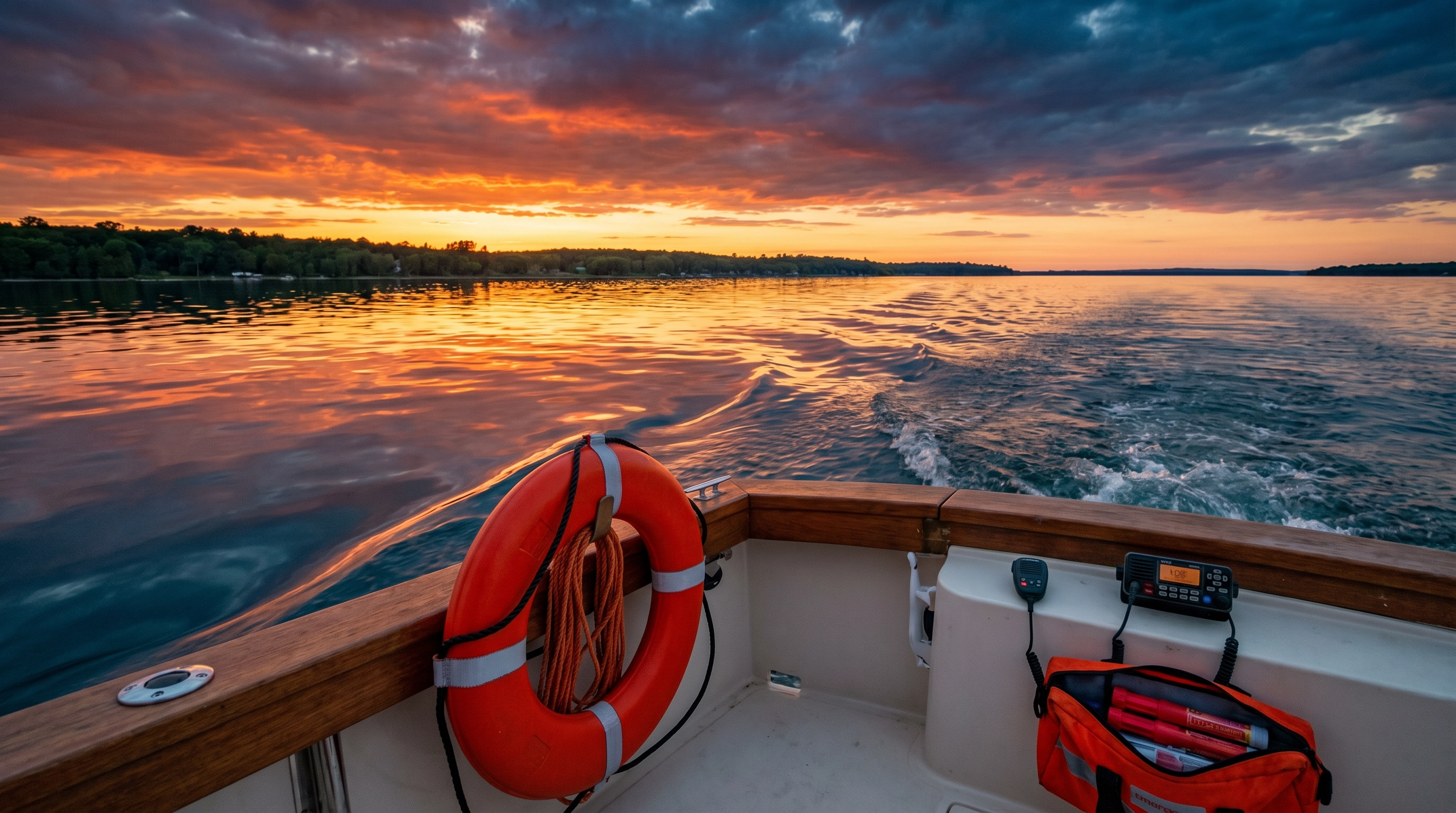
Marine Emergencies: A Complete Guide to On-Water Incidents
There is a moment every boater dreads. You are cruising along, enjoying the sun and the water, when suddenly the engine cuts out, smoke starts billowing from the hatch, or someone slips and falls over the rail. In that split second, the peaceful day on the

Dwayne Rodrigues
Boat Owner & Enthusiast
 Safety
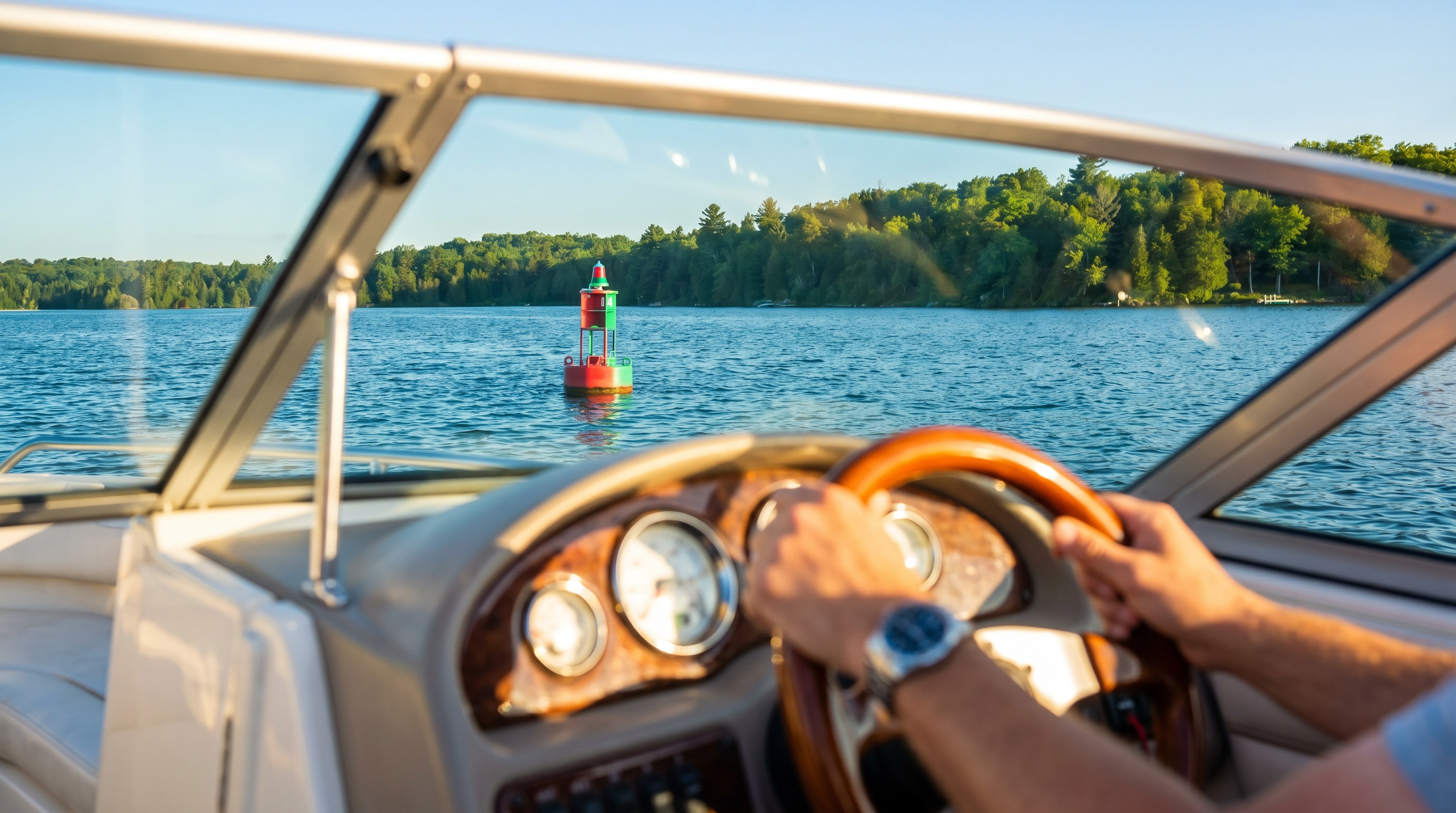
Do You Need a Boating Licence in Canada?
If you are planning to spend any time on the water this summer, you have probably asked yourself the big question: do you need a boating licence in Canada? The short answer is yes. If your boat has a motor, you need a licence.
Dwayne Rodrigues
Boat Owner & Enthusiast
 Safety
"The Unseen Killer: Why Cold Water Boating on the Great Lakes Demands Your Full Respect"
It is a perfect spring day on Lake Erie. The sun is out, the air feels warm for the first time in months, and the water looks deceptively calm. It feels like summer, but it is not. Beneath that placid surface, the water is a chilling 7 degrees Celsius
Dwayne Rodrigues
Boat Owner & Enthusiast