"The Unseen Killer: Why Cold Water Boating on the Great Lakes Demands Your Full Respect"
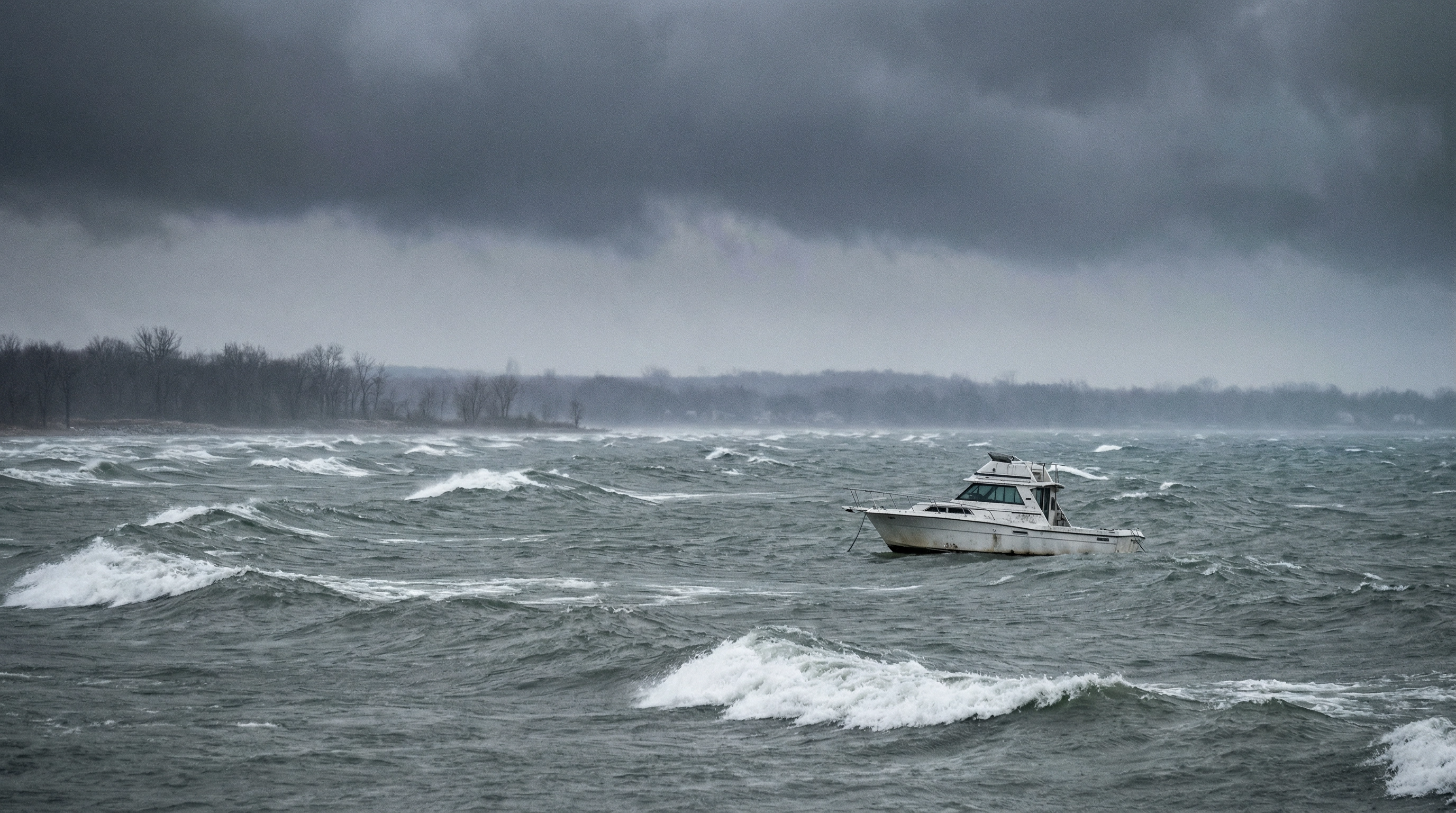
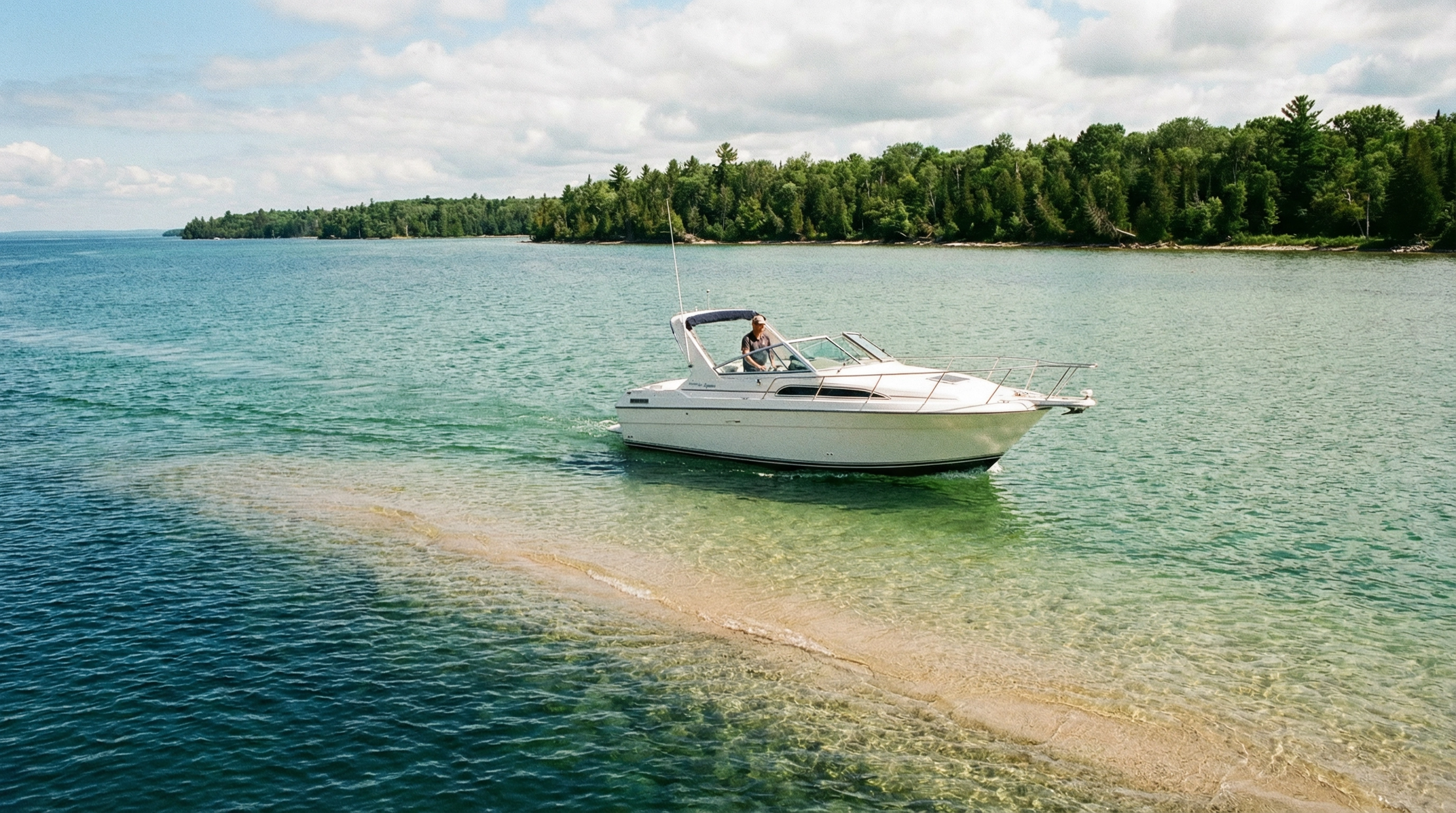
It is a perfect spring day on Lake Erie. The sun is out, the air feels warm for the first time in months, and the water looks deceptively calm. It feels like summer, but it is not. Beneath that placid surface, the water is a chilling 7 degrees Celsius

Dwayne Rodrigues
Boat Owner & Enthusiast
Quick Takeaways: Cold Water Boating Risks
The 1-10-1 Principle: You have 1 minute to get your breathing under control, 10 minutes of meaningful movement, and 1 hour before you become unconscious due to hypothermia.
Cold Shock is the Real Killer: The initial gasp reflex and hyperventilation upon entering water below 15 degrees Celsius is the primary cause of drowning, not hypothermia.
Dress for the Water, Not the Air: Spring and fall air temperatures can be deceptively warm. Always wear layered, thermally protective clothing. A float coat or immersion suit is your best defence.
PFDs are Non-Negotiable: 8 out of 10 boating fatalities in Ontario involve the victim not wearing a lifejacket. In cold water, it is nearly impossible to put one on after you have fallen in.
It is a perfect spring day on Lake Erie. The sun is out, the air feels warm for the first time in months, and the water looks deceptively calm. It feels like summer. But it is not. Beneath that placid surface, the water is a chilling 7 degrees Celsius (45 degrees Fahrenheit), a temperature that can kill in minutes. This is the unseen danger of shoulder-season boating on the Great Lakes, a risk that too many boaters underestimate until it is too late.
Here is the thing: most people who die in cold water are not weak swimmers. They are not reckless. They are ordinary boaters who simply did not understand what cold water does to the human body. The Great Lakes are not a tropical resort. Even in July, Lake Erie's water temperature rarely climbs above 22 degrees Celsius, and in May and early June, when the Pottahawk season is just getting started, it can sit well below 10 degrees. That is cold enough to kill.
As we detail in our cornerstone Lake Erie Boating Safety Guide, understanding the unique hazards of this lake is paramount. But of all the risks, cold water is perhaps the most insidious. It does not roar like a storm or loom like a rocky shoal; it waits silently, ready to incapacitate even the strongest swimmer in seconds. This guide is your complete briefing on what cold water does to your body, what the statistics tell us about who dies and why, and exactly what you need to do to come home safe.
The Science of It: What Cold Water Actually Does to Your Body
When you fall into water below 15 degrees Celsius, your body triggers a series of involuntary physiological responses. This is not a matter of mental toughness or willpower. You cannot breathe your way through it or decide to be calm. Your nervous system takes over, and what happens next follows a predictable and terrifying sequence.
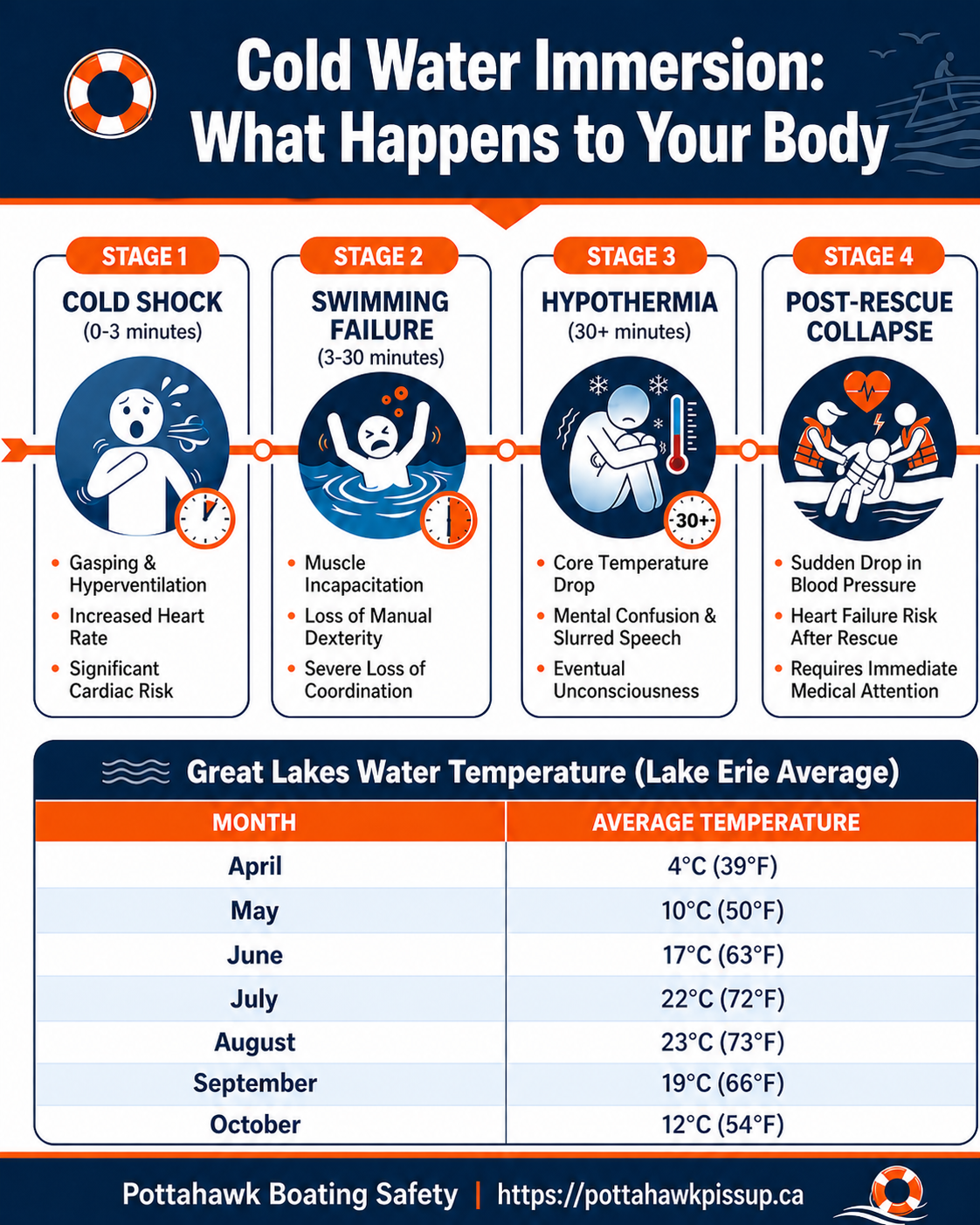
Stage 1: Cold Shock Response (the first two minutes)
The moment your body hits cold water, you will gasp. It is uncontrollable. If your head is underwater when that gasp happens, you will inhale water and drown before you have had a single coherent thought. That gasp is followed by hyperventilation, rapid and shallow breathing that makes it nearly impossible to hold your breath or think clearly. Your heart rate spikes. Your blood pressure surges. For anyone with a pre-existing cardiac condition, this stage alone can be fatal. The cold shock response typically lasts between one and three minutes, and it is the most dangerous window of the entire ordeal.
Stage 2: Cold Incapacitation (the next ten minutes)
Assuming you survive the cold shock, your body now begins to redirect blood flow away from your extremities and toward your vital organs. Your hands, arms, and legs go numb. Your grip fails. Your ability to coordinate your movements deteriorates rapidly. Within ten minutes of immersion, most people lose the ability to swim effectively or even keep their head above water. This is why Transport Canada's survival in cold waters research consistently emphasizes that a PFD must be worn before you enter the water. Trying to put one on during this stage is essentially impossible.
Stage 3: Hypothermia (thirty minutes and beyond)
Only after surviving the first two stages does hypothermia begin to set in. This is the gradual cooling of your body's core temperature below 35 degrees Celsius. Symptoms include intense shivering, slurred speech, confusion, and a paradoxical sense of warmth that can cause victims to remove their clothing. Eventually, the shivering stops, and unconsciousness follows. The timeline varies depending on water temperature, body composition, and what you are wearing, but in water at 5 degrees Celsius, unconsciousness can occur in as little as 30 minutes.
Stage 4: Post-Rescue Collapse
Even after you are pulled from the water, the danger is not over. As cold blood from your extremities returns to your core, your blood pressure can drop suddenly, leading to cardiac arrest. This is called post-rescue collapse, and it is why rescuers are trained to handle hypothermic victims with extreme care. Rough handling, sudden movement, or standing the victim upright can trigger it.
What the Numbers Tell Us: Real Tragedies on the Great Lakes
Every year, the Great Lakes claim the lives of boaters who were unprepared for the reality of cold water. The Ontario Provincial Police (OPP) Marine Unit data is sobering. Between 2020 and 2024, 131 people died in boating incidents on OPP-patrolled waterways. A staggering 8 out of 10 victims were not wearing a lifejacket. In cold water, that is a death sentence. The loss of muscle control during Stage 2 makes it nearly impossible to don a PFD once you are in the water.
In April 2022, a man capsized his small fishing boat on Lake Simcoe in water that was approximately 6 degrees Celsius. He was not wearing a PFD. Witnesses reported he was in the water for less than five minutes before he stopped responding. He was pronounced dead at the scene. The coroner's report attributed the cause of death to cold water immersion, not hypothermia.
The pattern repeats itself every spring. Boaters head out on the first warm weekend of the year, dressed for the air temperature, not the water temperature. A sudden wave, a moment of inattention, a mechanical failure, and they are in the water. The cold shock response takes over. Without a PFD and without the knowledge of what is happening to their body, the outcome is almost always the same.
As we explore in our guide on why Lake Erie can turn dangerous so quickly, the shallowest of the Great Lakes can also be the most volatile. A sudden spring squall can capsize a small vessel in minutes, plunging its occupants into frigid water with little warning. The combination of cold water and rough conditions is particularly deadly.
Gearing Up for Survival: Dress for the Water, Not the Air
The single most effective thing you can do to survive a cold water immersion is to be wearing the right gear before it happens. Transport Canada's mandatory equipment requirements are the legal minimum, not the survival standard. As we detail in our Boat Safety Equipment Checklist Canada, your gear is your lifeline.
Personal Flotation Devices (PFDs)
Wear it. Every time. A PFD will keep your head above water during the cold shock response, giving you those critical first minutes to get your breathing under control. An inflatable PFD is comfortable and unobtrusive for warm-weather boating, but for cold water conditions, a foam PFD provides additional thermal insulation. Choose a brightly coloured PFD to aid in search and rescue.
The Layering System
The key to staying warm is to trap air between layers of clothing. Start with a moisture-wicking base layer to pull sweat away from your skin. Add one or more insulating middle layers made of fleece or wool. Finish with a waterproof and windproof outer shell. Avoid cotton at all costs. When cotton gets wet, it loses all insulating properties and actually accelerates heat loss. The old saying among outdoor enthusiasts is "cotton kills," and it is absolutely true on the water.
Float Coats and Immersion Suits
A float coat is a wearable PFD that also provides thermal protection. It is the ideal piece of outerwear for shoulder-season boating because it combines buoyancy with insulation. An immersion suit, also called a survival suit or dry suit, is a full-body waterproof garment that can dramatically increase your survival time in cold water. In water at 5 degrees Celsius, a person without thermal protection may have 30 minutes before unconsciousness. In a properly fitted immersion suit, that time can extend to several hours.
Communication and Signalling
A waterproof VHF radio is essential for calling for help. Channel 16 is the international distress frequency, monitored by the Canadian Coast Guard. A personal locator beacon (PLB) or an emergency position-indicating radio beacon (EPIRB) can transmit your GPS coordinates to rescue services even when you are out of cell range. These devices can be the difference between a rescue and a recovery.
If You Go In: The HELP Position and Self-Rescue
If you do end up in cold water, the first thing to do is try to get back on your boat. Most capsized vessels will continue to float, and getting out of the water is always the priority. If you cannot get back on the boat, try to get on top of it.
If you are in the water and cannot get out, assume the Heat Escape Lessening Posture (HELP). Draw your knees up to your chest, cross your arms tightly over your chest, and keep your head out of the water. This position protects the areas of greatest heat loss, including your groin, armpits, and the sides of your chest. If there are multiple people in the water, huddle together to share body heat.
Control your breathing. The cold shock response will make you want to hyperventilate, but try to take slow, deliberate breaths. Focus on staying calm. The more energy you expend thrashing around, the faster you will lose body heat and the faster you will become incapacitated.
The Human Factor: Preparation Starts Before You Leave the Dock
Cold water boating demands a different level of preparation than a warm summer day on the lake. Before heading out in the spring or fall, run through this checklist:
Check the water temperature, not just the air temperature. Environment and Climate Change Canada publishes Great Lakes water temperature data.
Check the marine forecast. A Strong Wind Warning (winds 20-33 knots) or a Gale Warning (34-47 knots) means conditions can deteriorate rapidly.
File a trip plan with a responsible person on shore. Tell them where you are going, when you expect to return, and what to do if they do not hear from you.
Ensure your PFD fits correctly and is in good condition.
Carry a means of communication that works on the water.
Cold water boating on the Great Lakes is a serious undertaking that demands respect, preparation, and a healthy dose of caution. The lake does not care how experienced you are. It does not care how warm the air feels. By understanding the risks, gearing up appropriately, and making smart decisions before you leave the dock, you can ensure that your shoulder-season adventures are safe and memorable for all the right reasons.
Sources & Further Reading
Tags
Share
Read Next
 Safety
Marine Emergencies: A Complete Guide to On-Water Incidents
There is a moment every boater dreads. You are cruising along, enjoying the sun and the water, when suddenly the engine cuts out, smoke starts billowing from the hatch, or someone slips and falls over the rail. In that split second, the peaceful day on the

Dwayne Rodrigues
Boat Owner & Enthusiast
 Safety
Do You Need a Boating Licence in Canada?
If you are planning to spend any time on the water this summer, you have probably asked yourself the big question: do you need a boating licence in Canada? The short answer is yes. If your boat has a motor, you need a licence.
Dwayne Rodrigues
Boat Owner & Enthusiast
 Safety
How to Avoid Running Aground: A Boater's Guide to Shallow Water Safety
Running aground is one of those boating experiences that ranges from a minor, face-reddening embarrassment to a catastrophic emergency. One minute you are cruising along enjoying the sun, and the next, there is a sickening crunch, a sudden stop, and every
Dwayne Rodrigues
Boat Owner & Enthusiast