Best Boat Anchors for the Great Lakes: A Complete Guide by Bottom Type
If you spend enough time boating on the Great Lakes, you will eventually find yourself dragging anchor. It usually happens at the worst possible time, when the wind kicks up, the chop builds, and you are surrounded by other boats.

Dwayne Rodrigues
Boat Owner & Enthusiast
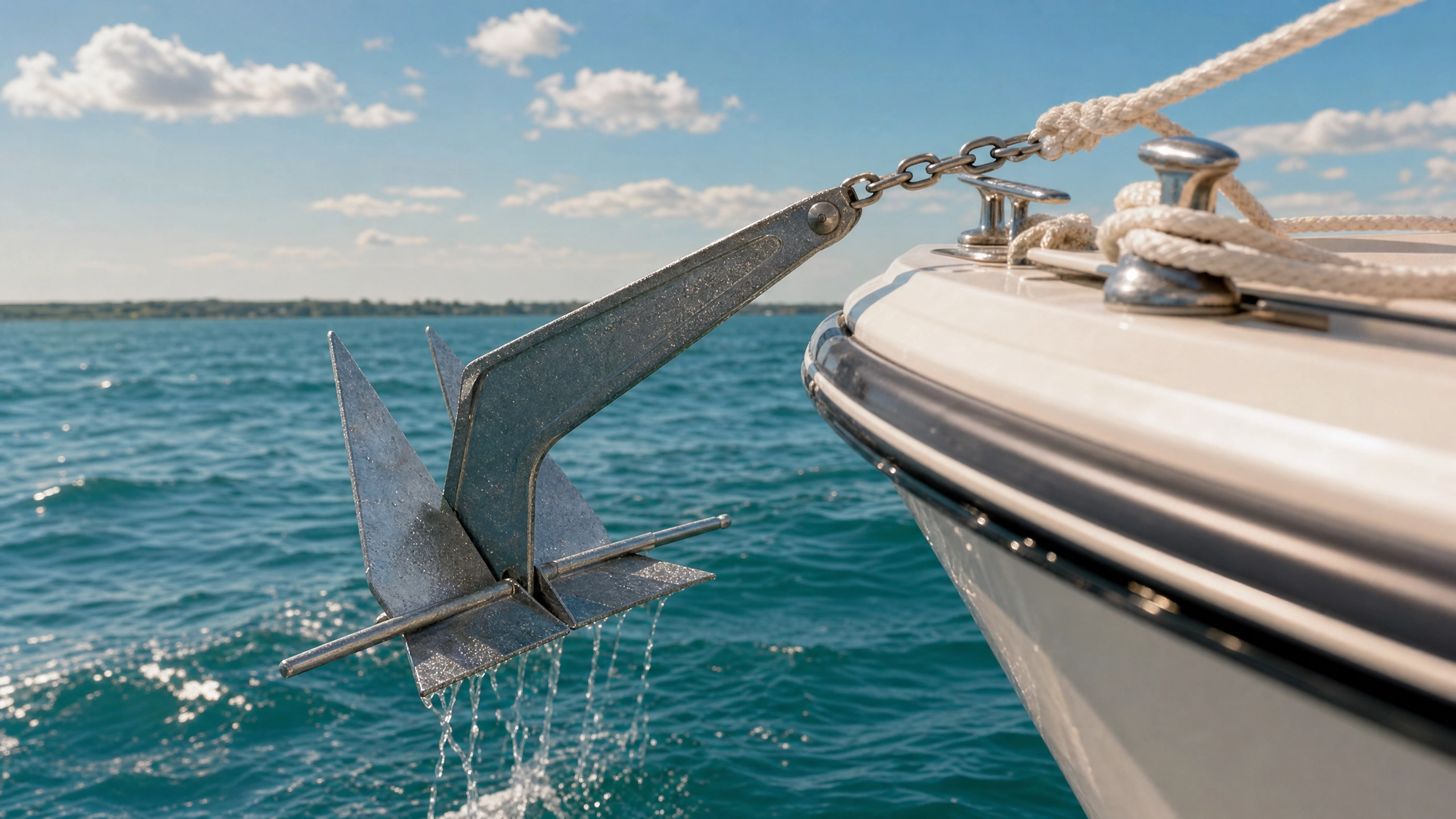
If you spend enough time boating on the Great Lakes, you will eventually find yourself dragging anchor. It usually happens at the worst possible time, when the wind kicks up, the chop builds, and you are surrounded by other boats. We have all seen it happen at Pottahawk. A boat drops a cheap, undersized anchor into the sand, the wind shifts, and suddenly they are drifting backward into a raft-up.
The truth is that there is no single "best boat anchor" for every situation. The anchor that holds perfectly in the soft mud of Lake Ontario might drag uselessly across the rocky bottom of Georgian Bay. Choosing the right anchor means matching the anchor type to the specific bottom conditions where you do most of your boating.
In this guide, we break down the five main types of boat anchors, explain exactly which bottom conditions they are built for, and give you our top recommendations for Great Lakes boaters.
Why Bottom Type Matters More Than Anchor Weight
Many new boaters assume that a heavier anchor is automatically a better anchor. That is a dangerous misconception. Modern anchor design relies on geometry and bottom penetration, not just dead weight. If an anchor cannot bite into the bottom, it does not matter how heavy it is, it will simply drag across the surface.
The Great Lakes offer a massive variety of bottom conditions. Lake Erie, particularly around Long Point Bay and Pottahawk, is predominantly sand and gravel. Lake Ontario has large areas of soft mud and silt. Georgian Bay and Lake Superior are notorious for hard rock and shale. If you want to avoid running aground or drifting into danger, you need an anchor designed to penetrate the specific bottom you are floating over.
The 5 Main Types of Boat Anchors
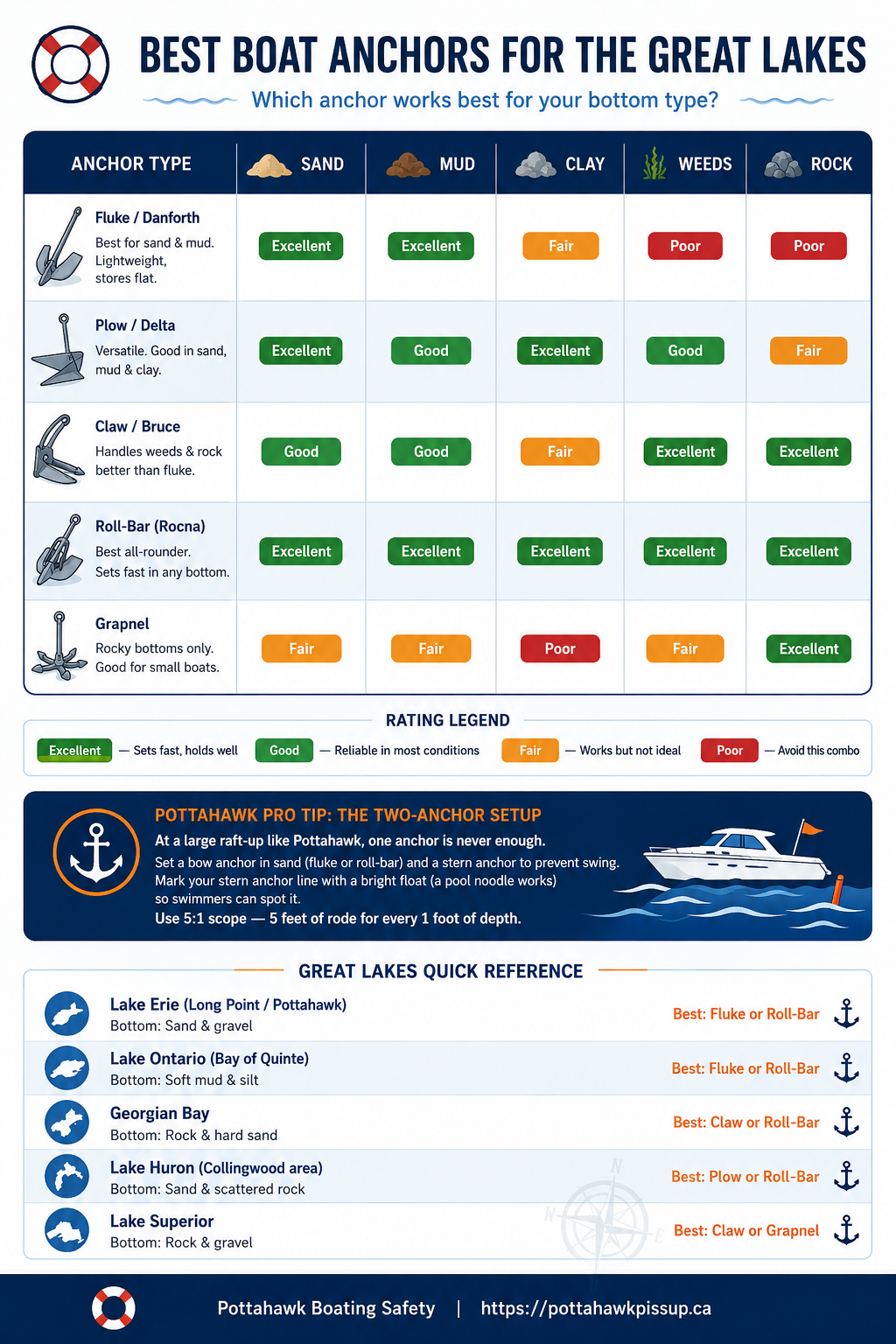
1. Fluke Anchors (Danforth Style)
The fluke anchor, often referred to by the popular brand name Danforth, is the most common anchor found on recreational boats. It features two large, flat triangular flukes attached to a hinged stock.
Best For: Sand and mud. The large surface area of the flukes allows them to dig deep into soft bottoms and provide massive holding power relative to their weight.
Worst For: Rock, heavy weeds, and clay. The flukes cannot penetrate hard surfaces and will slide right over weeds.
The Verdict: If you boat primarily on Lake Erie or sandy inland lakes, a fluke anchor is an excellent primary choice. They also fold flat, making them easy to store in tight anchor lockers.
2. Plow Anchors (Delta Style)
Plow anchors look exactly like their name suggests a single, heavy plowshare designed to dig into the bottom as tension is applied to the anchor line.
Best For: Sand, mud, clay, and mixed bottoms. Plow anchors are incredibly versatile and reset themselves easily if the wind or current shifts.
Worst For: Solid rock. While they handle weeds better than a fluke anchor, they can still struggle to penetrate thick weed beds.
The Verdict: Plow anchors are the standard choice for cruising boats and larger vessels that encounter a variety of bottom conditions. They require a bow roller for storage, as their awkward shape does not fit well in lockers.
3. Claw Anchors (Bruce Style)
Originally designed to secure offshore oil rigs in the North Sea, the claw anchor features a distinctive three-claw design.
Best For: Rock, gravel, and weeds. The multiple claws give it a better chance of catching on uneven, rocky bottoms where fluke and plow anchors fail.
Worst For: Soft mud and loose sand. The holding power per pound is lower than a fluke anchor in soft conditions.
The Verdict: If you boat in Georgian Bay or areas with rocky, uneven bottoms, a claw anchor is a highly reliable choice. Like the plow, it requires a bow roller for storage.
4. Roll-Bar Anchors (Rocna / Mantus)
Roll-bar anchors represent the newest generation of anchor design. They feature a large, scoop-like blade with a prominent roll-bar attached to the back. The roll-bar ensures that the anchor always lands in the correct orientation to dig in immediately.
Best For: Almost everything. Sand, mud, clay, weeds, and rock.
Worst For: Your wallet. These are premium anchors and are priced accordingly. They also require a specific type of bow roller to accommodate the roll-bar.
The Verdict: If you want the absolute best holding power and fastest setting time across all bottom conditions, a roll-bar anchor is the top tier.
5. Grapnel Anchors
Grapnel anchors feature four folding tines that open like an umbrella. They rely entirely on hooking onto something solid rather than burying themselves in the bottom.
Best For: Rock and heavy structure.
Worst For: Sand, mud, and clay. They have almost zero holding power in soft bottoms.
The Verdict: Grapnel anchors are only suitable for small personal watercraft (PWC), kayaks, or as a temporary lunch hook for small aluminum boats in rocky areas. They should never be used as a primary anchor for a full-sized boat.
The Pottahawk Pro Tip: The Two-Anchor Setup
If you are planning to attend the Pottahawk Pissup or any large raft-up, a single anchor is never enough. When dozens of boats tie together, the combined windage and current drag is massive. If you only have a bow anchor set, the entire raft-up will swing wildly as the wind shifts, which is one of the leading causes of raft-up safety mistakes that cause damage.
To anchor securely in a raft-up, you need a two-anchor setup:
The Bow Anchor: Set a high-quality fluke or roll-bar anchor deep into the sand well ahead of the raft-up line.
The Stern Anchor: Walk a second anchor out from the stern to prevent the boat from swinging.
Crucial Safety Tip: Because Pottahawk is a shallow-water event with hundreds of people walking between boats, a submerged stern anchor line is a severe tripping hazard. You must mark your stern anchor line with a bright float, a simple pool noodle threaded onto the line works perfectly, so swimmers and walkers can easily spot it. For more details on executing this safely, review our ultimate guide to raft-up safety.
Our Top Anchor Recommendations
Based on Great Lakes bottom conditions and real-world performance, here are our top picks for both budget-conscious boaters and those looking for premium holding power.
Budget Picks (Under $100 CAD)
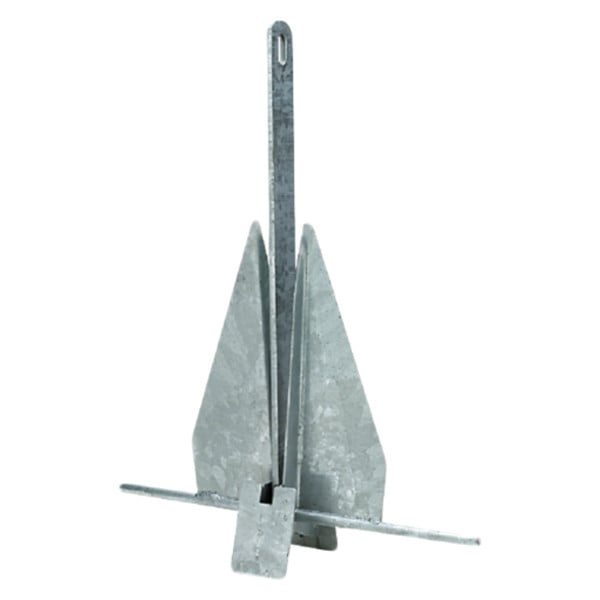
1. Seachoice Deluxe Fluke Anchor If you have a smaller boat (under 22 feet) and boat primarily in sandy areas like Long Point Bay, you do not need to spend a fortune. The Seachoice Fluke is a classic Danforth-style anchor that provides excellent holding power in sand and mud. It stores flat and is easy to handle. Best for: Sand, mud, smaller runabouts.
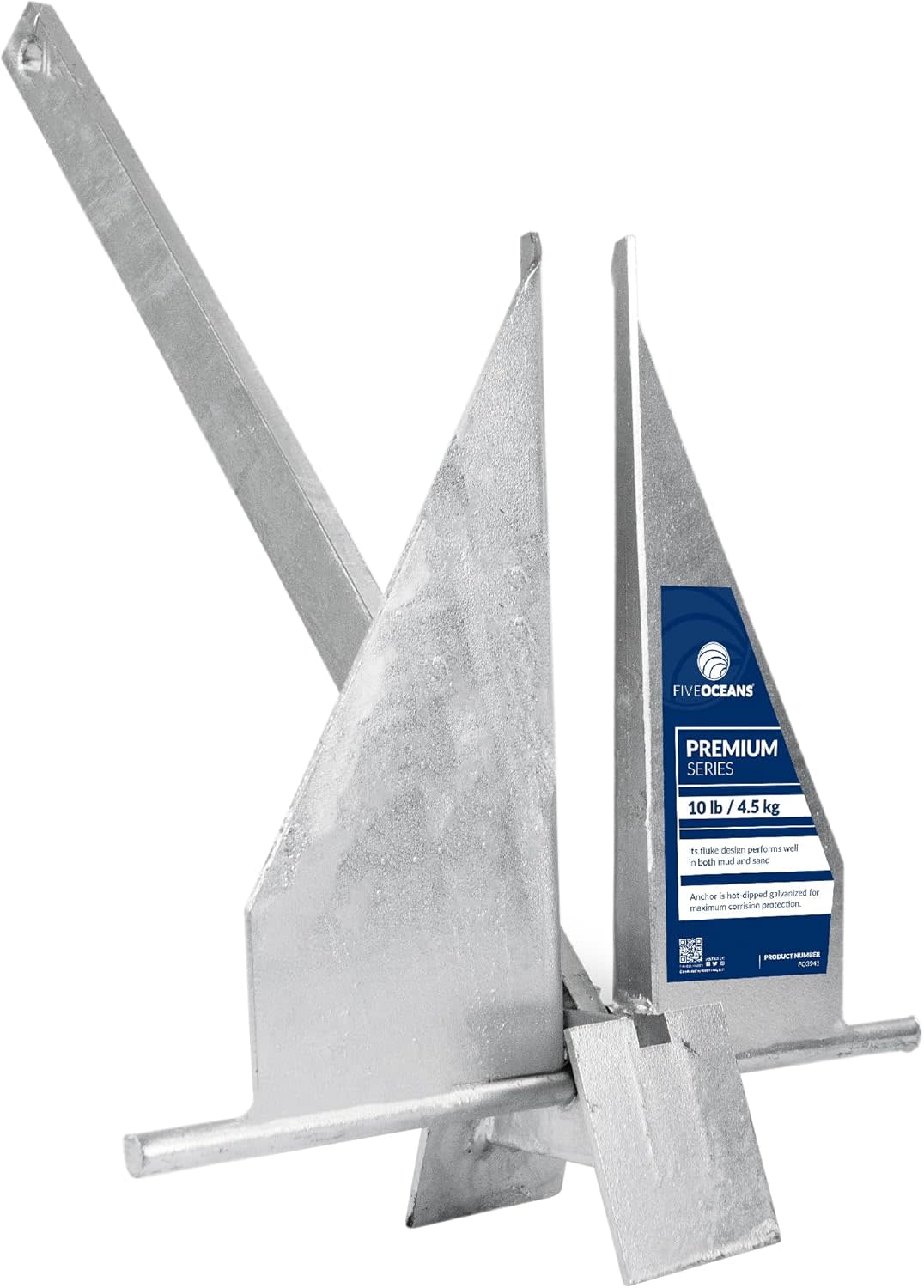
2. Five Oceans Galvanized Fluke Anchor Similar to the Seachoice, the Five Oceans model offers a slightly different fluke geometry but delivers the same reliable performance in soft bottoms. It is heavily galvanized for corrosion resistance and is an excellent choice for a primary anchor on a budget, or as a dedicated stern anchor for your boat safety equipment checklist. Best for: Sand, mud, stern anchor use.
Mid-Range Picks ($100 - $300 CAD)
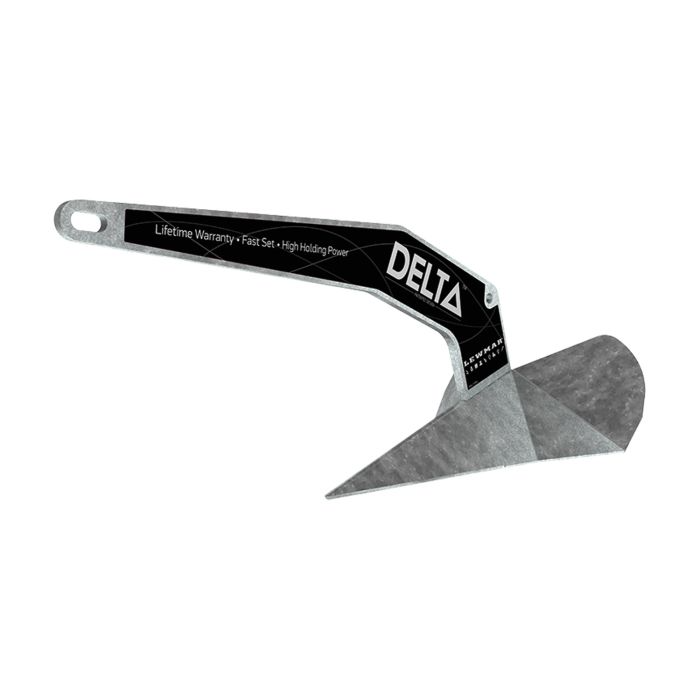
3. Lewmar Delta Galvanized Plow Anchor If you cruise to different areas and encounter a mix of sand, clay, and weeds, the Lewmar Delta is the industry standard plow anchor. It sets quickly, resets reliably if the wind shifts, and is built to last. It is the perfect primary anchor for cruisers in the 25 to 35-foot range. Best for: Mixed bottoms, cruising boats with bow rollers.
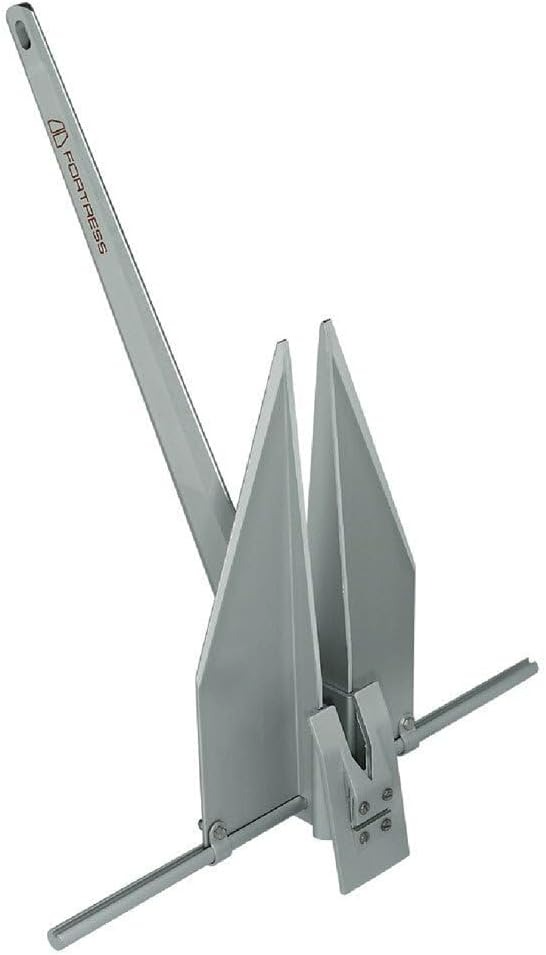
4. Fortress FX-7 Aluminum Fluke Anchor The Fortress is a marvel of engineering. Made from high-tensile aluminum alloy, it weighs a fraction of a traditional steel anchor but offers superior holding power. The FX-7 weighs only 4 pounds but can hold a 27-foot boat in sand or mud. Because it is so light, it is the ultimate choice for a stern anchor that you need to physically carry and set by hand at a sandbar. Best for: Sand, mud, premium stern anchor use, weight-conscious boaters.
Premium Pick ($300+ CAD)
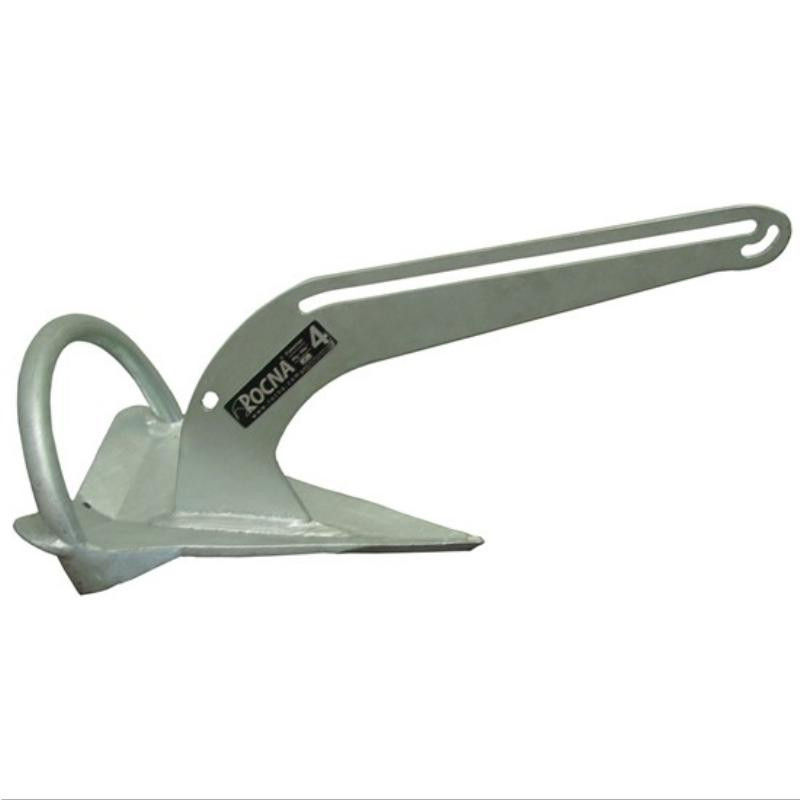
5. Rocna Galvanized Anchor If you want to drop your anchor and sleep soundly regardless of what the bottom looks like, buy a Rocna. The roll-bar design ensures it lands perfectly every time, and the massive blade area provides unmatched holding power in sand, mud, clay, weeds, and rock. It is an investment, but it is the best insurance policy you can buy against anchor failure. Best for: All bottom types, larger vessels, ultimate peace of mind.
Don't Forget the Scope
Even the best anchor in the world will fail if you do not use enough scope. Scope is the ratio of anchor rode (rope and chain) paid out relative to the depth of the water.
For a standard lunch hook in calm conditions, a 5:1 scope is the minimum (5 feet of line for every 1 foot of water depth). If the wind picks up or you are anchoring overnight, you need a 7:1 scope. If you are anchoring in 10 feet of water, you need to let out 70 feet of line. The angle of the pull must be as horizontal as possible to keep the anchor dug into the bottom. If the line is too short, the upward pull from the boat will simply rip the anchor out of the sand.
Before you head out this season, make sure your anchor is matched to your local bottom conditions, check your rode length, and review your spring commissioning checklist to ensure your ground tackle is in good condition.
Sources & Further Reading
Tags
Share
Read Next
 Equipment & Gear
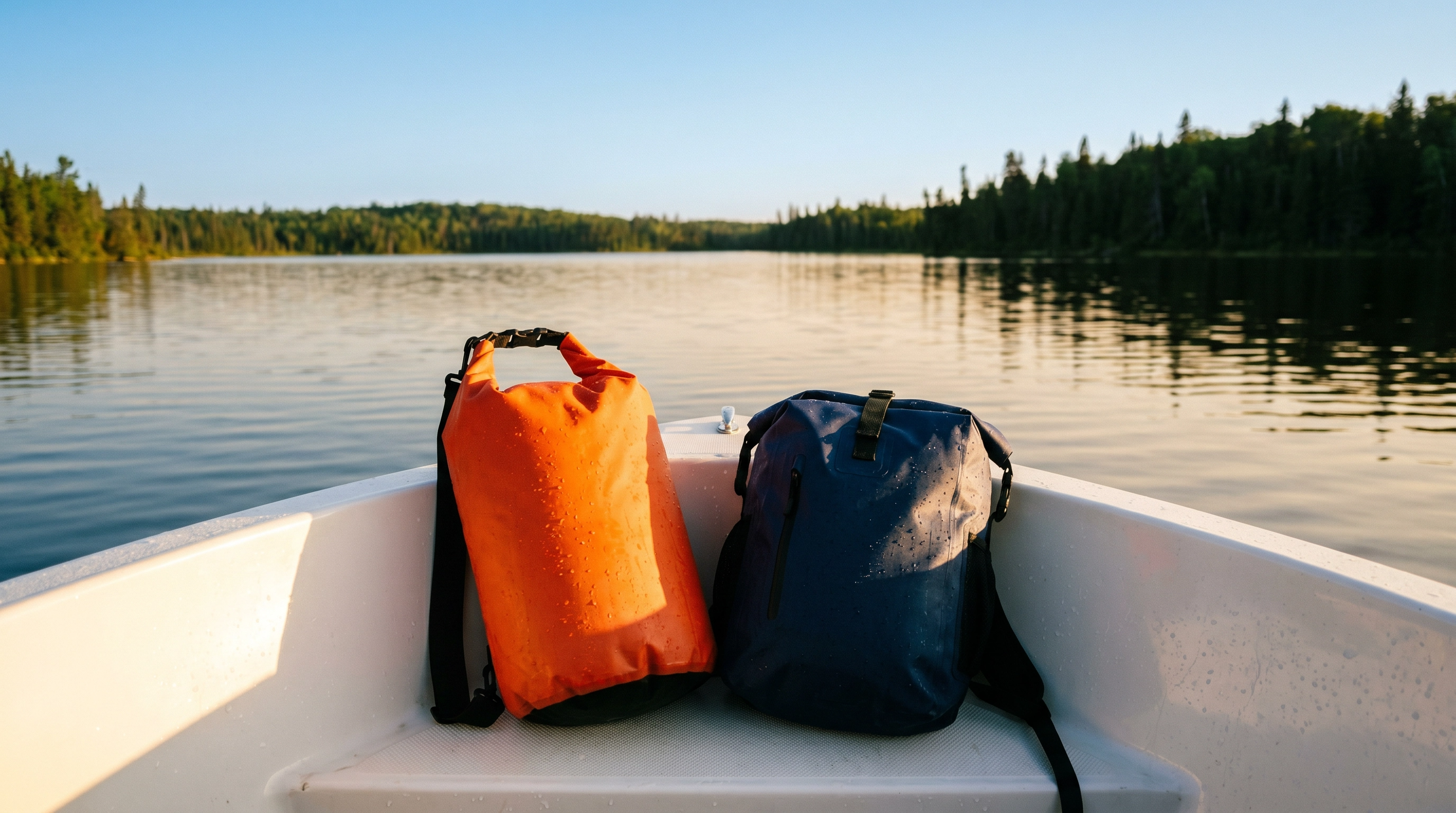
Best Waterproof Bags for Boating: 6 Top Picks for Canadian Waters
There is a moment every boater dreads. You hit an unexpected wake, a sudden squall rolls across the lake, or someone simply slips while stepping onto the dock. In an instant, your phone, your dry clothes, and your boat registration are soaked.

Dwayne Rodrigues
Boat Owner & Enthusiast
 Equipment & Gear
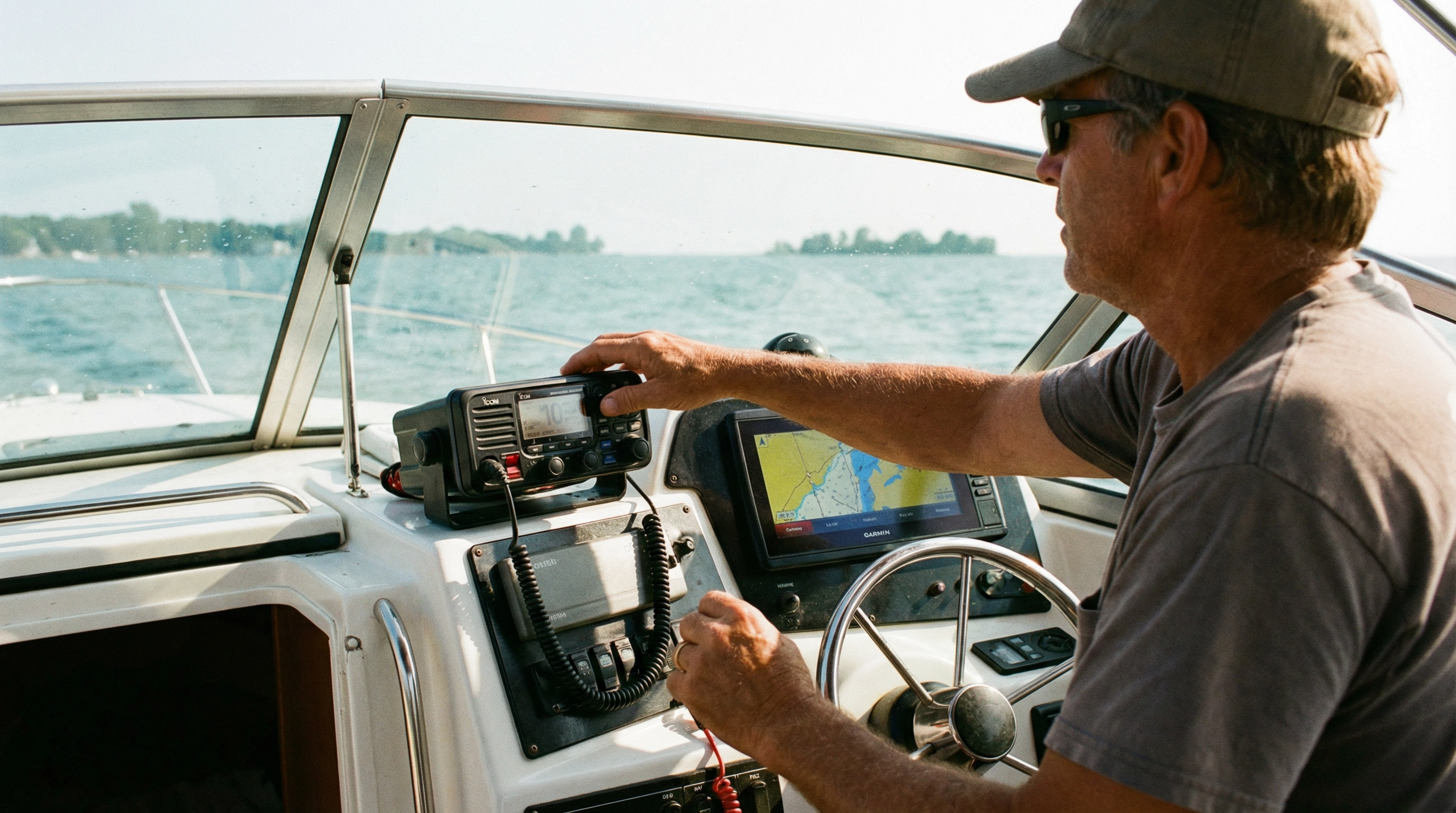
Best VHF Radios for Lake Erie Boaters
A VHF marine radio is not a luxury item. On Lake Erie, where squalls can build in under an hour and commercial traffic shares the same water as recreational boats, it is one of the most important pieces of safety equipment you can carry.
Dwayne Rodrigues
Boat Owner & Enthusiast
 Equipment & Gear
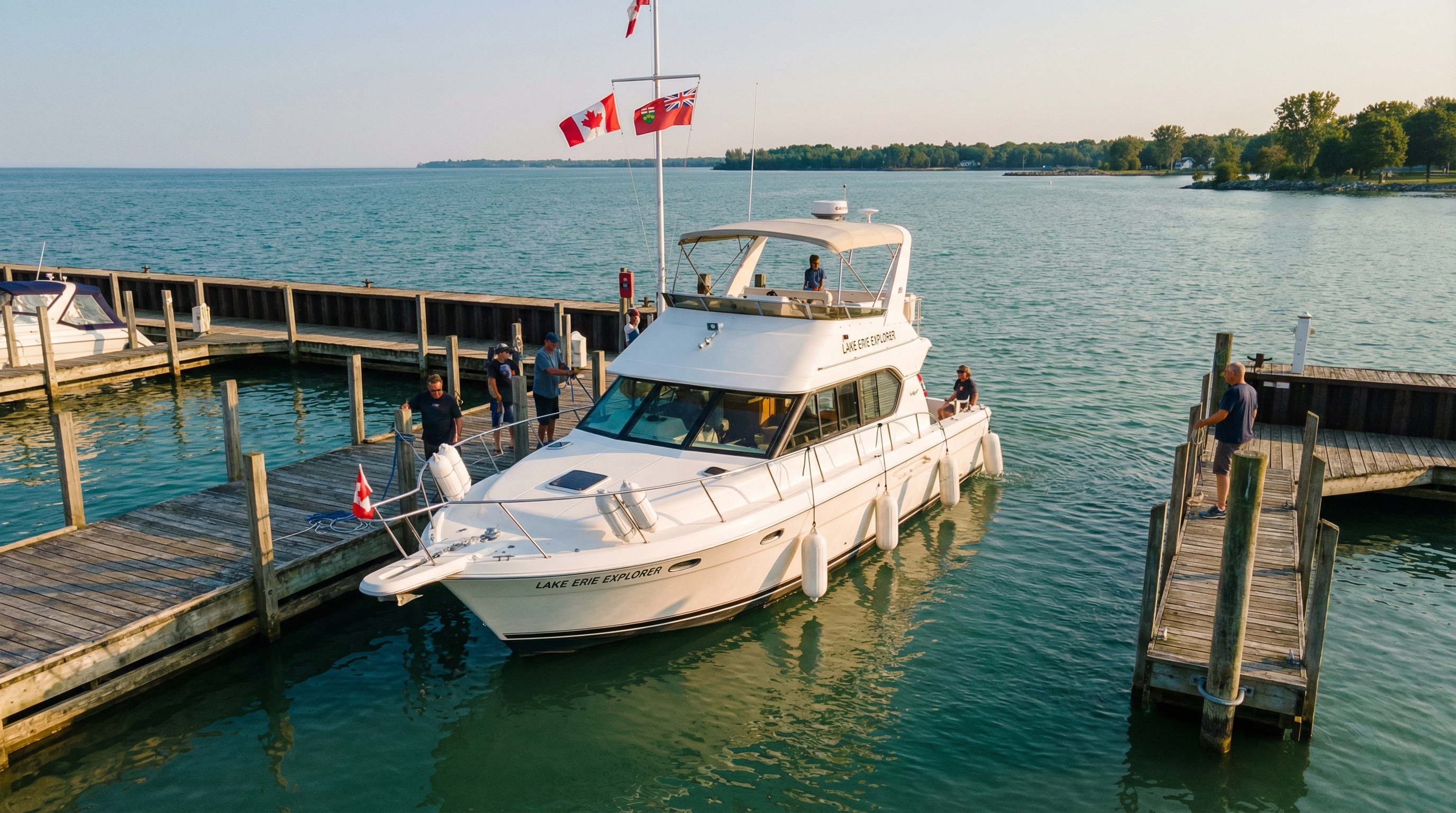
Best Boat Fenders for Docking: A Complete Buyer's Guide for Canadian Boaters
Of all the gear you can buy for your boat, fenders are probably the least glamorous. They aren’t flashy like a new chartplotter or exciting like a powerful engine. But honestly, they are one of the most important investments you can make.
Dwayne Rodrigues
Boat Owner & Enthusiast