Boat Insurance in Ontario: What It Covers, What It Costs, and What Most Boaters Get Wrong
Let me ask you a question. If you back your boat into a slip at Port Dover and accidentally crunch the fiberglass on the cruiser next to you, who pays for it? What if a sudden summer squall rips through the anchorage at Pottahawk and your anchor drags,

Dwayne Rodrigues
Boat Owner & Enthusiast
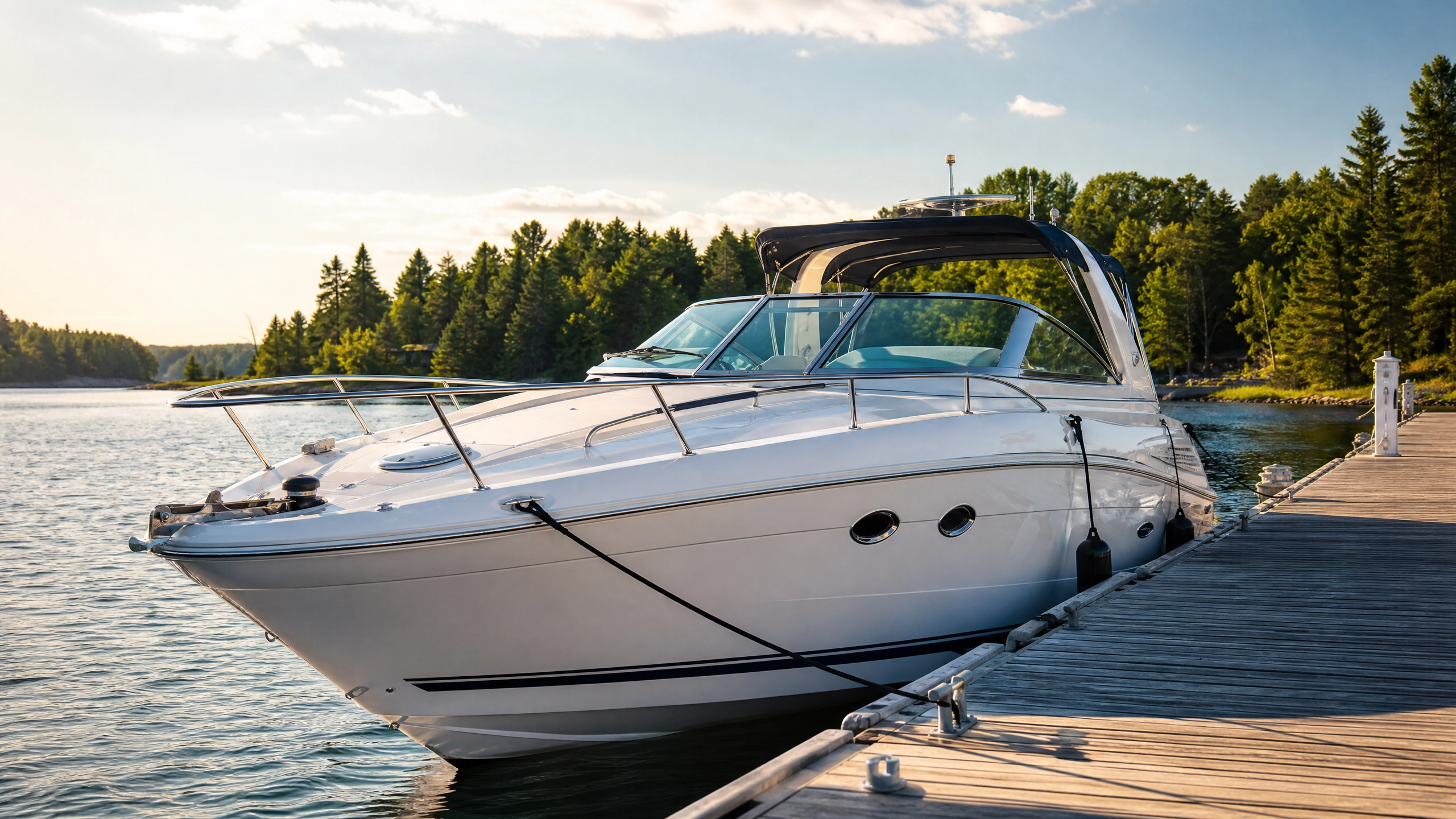
Let me ask you a question. If you back your boat into a slip at Port Dover and accidentally crunch the fiberglass on the cruiser next to you, who pays for it?
What if a sudden summer squall rips through the anchorage at Pottahawk and your anchor drags, sending your boat into three others?
A lot of boaters assume their home insurance will just cover it. Or they assume that because boat insurance isn't legally required in Canada, they don't really need it. Honestly, that kind of thinking is exactly how a fun weekend on the water turns into a financial nightmare.
We talk a lot about boat safety equipment and Transport Canada rules, but your insurance policy is arguably the most important piece of safety gear you own. It protects your wallet, your boat, and your peace of mind.
Here is the complete breakdown of how boat insurance works in Ontario, what it actually costs, and the recent Canadian law changes that every boater needs to know about.
Is Boat Insurance Legally Required in Canada?
The short answer is no. Unlike car insurance, there is no federal or provincial law in Canada that forces you to carry insurance on a pleasure craft. You can legally buy a boat, register it, and drop it in Lake Erie or any lake for that matter without ever speaking to an insurance broker.
But here is the thing. Just because the government doesn't require it doesn't mean you can get away without it.
If you finance your boat, your lender will absolutely require comprehensive coverage before they hand over the cheque. More importantly, almost every marina in Ontario requires proof of liability insurance before they will let you rent a slip, use their launch ramp, or store your boat for the winter.
Most marinas around Lake Erie from Turkey Point to Nanticoke require a minimum of $2 million in liability coverage. If you show up without a policy, you are not getting a slip.
What a Standard Boat Insurance Policy Actually Covers
Boat insurance is not a one-size-fits-all product. Policies vary wildly between providers like Intact, Aviva, and specialized marine brokers. But generally speaking, a solid marine policy will cover a few core things.
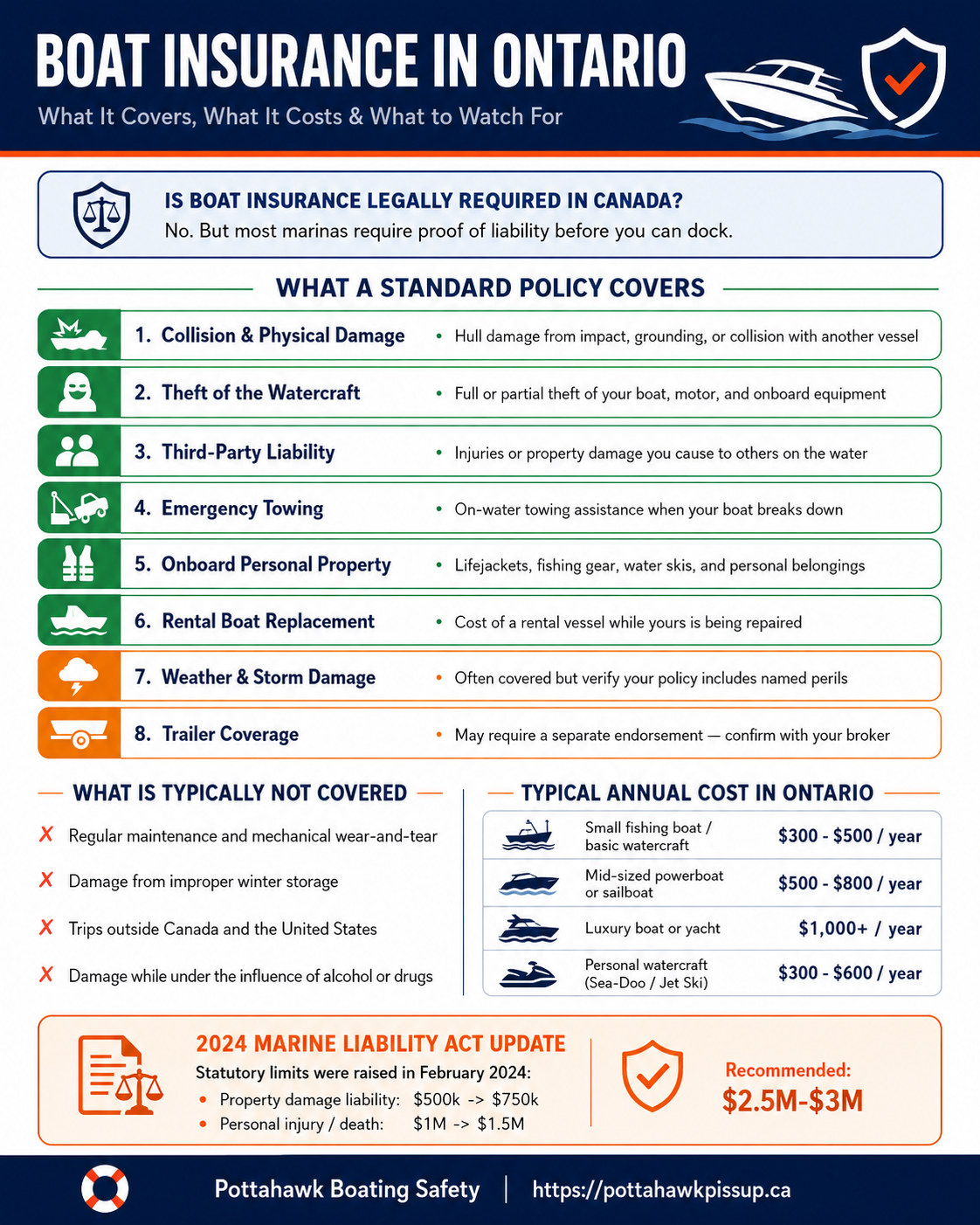
Collision and Physical Damage: This covers the cost to repair or replace your boat if you hit a rock, run aground, or collide with another vessel. It usually covers the hull, the motor, and permanently attached equipment.
Theft and Vandalism: If someone steals your outboard motor overnight or your entire boat disappears from the driveway, this coverage kicks in.
Third-Party Liability: This is the big one. If you injure someone or damage their property while operating your boat, liability coverage pays for the damages and your legal defense. If you are heading to a large boat raft-up where boats are tied gunwale to gunwale, this is non-negotiable.
Emergency Towing: If your engine dies in the middle of the lake, a commercial tow back to port can cost hundreds of dollars an hour. Good policies include on-water towing assistance.
Personal Property: This covers the gear you bring on board—things like approved lifejackets, expensive fishing tackle, water skis, and coolers.
What Your Policy Probably Won't Cover
Insurance companies are in the business of managing risk, not paying for your neglect. There are a few standard exclusions you need to watch out for.
First, regular wear and tear is never covered. If your engine seizes because you haven't changed the oil in three years, that is on you. Similarly, damage caused by improper winterization (like a cracked engine block from freezing) is almost always excluded.
Second, impaired boating voids your coverage. If you are involved in an accident and are charged with impaired boating in Canada, your insurance company will walk away. You will be on the hook for all damages, injuries, and legal fees out of pocket.
Third, if you decide to rent your boat out to friends or run an illegal charter to make some extra cash, your standard pleasure craft policy is instantly void. Commercial use requires commercial insurance.
How Much Does Boat Insurance Cost in Ontario?
People always assume boat insurance is going to be astronomically expensive. It really isn't. Compared to auto insurance in Ontario, marine insurance is surprisingly reasonable.
According to data from Ontario marine brokers, you can expect to pay anywhere from $300 to $1,000 per year depending on your setup.
Small aluminum fishing boats or basic runabouts: $300 to $500 annually.
Mid-sized bowriders, wake boats, or sailboats: $500 to $800 annually.
Large cruisers or luxury yachts: $1,000+ annually.
Personal Watercraft (Sea-Doos): $300 to $600 annually.
What drives the price up? The value of the boat is the biggest factor, followed by the size of the engine. A 20-foot pontoon boat with a 90hp outboard is going to be significantly cheaper to insure than a 20-foot speedboat with a 300hp supercharged engine. Your boating experience, claims history, and where you store the boat also play a role.
The 2024 Marine Liability Act Update (Why You Need More Coverage)
If you haven't looked at your policy limits recently, you need to pull your paperwork right now.
In February 2024, the Canadian government updated the Marine Liability Act. They significantly raised the statutory limits for liability on pleasure craft.
Property damage liability increased from $500,000 to $750,000.
Personal injury or death liability increased from $1 million to $1.5 million.
This means if the absolute worst happens and you are involved in a major marine emergency, your total legal exposure is now $2.25 million before lawyers' fees and interest are even calculated.
If you are still carrying an old policy with a $1 million or $2 million liability limit, you are underinsured. Most marine brokers in Canada are now strongly recommending that pleasure craft owners carry $2.5 million to $3 million in liability coverage to ensure they are fully protected under the new laws.
Does Home Insurance Cover My Boat?
This is the most common trap new boaters fall into.
Yes, some home insurance policies will allow you to add a small boat (usually under 16 feet with less than 50 horsepower) as a rider. But relying on your home insurance for a boat is generally a terrible idea.
Home insurance policies are designed for houses, not boats. They rarely cover on-water towing, environmental cleanup (like if your boat sinks and leaks fuel), or salvage operations. Worse, if you make a claim on your boat, it counts against your home insurance. Do you really want your house premiums to skyrocket because you hit a submerged log near Long Point?
A dedicated marine policy from a specialized broker is almost always the smarter, safer choice.
The Bottom Line
Boating on the Great Lakes is incredible, but it comes with real risks. The weather can turn in an instant, Lake Erie wave patterns are notoriously unpredictable, and crowded anchorages are a recipe for fiberglass damage.
Don't wait until you hear the crunch of a dock to wonder what your policy covers. Call a marine broker, get a dedicated policy, bump your liability up to $3 million, and then get out there and enjoy the summer with total peace of mind.
Sources & Further Reading
Tags
Share
Read Next
 Resources
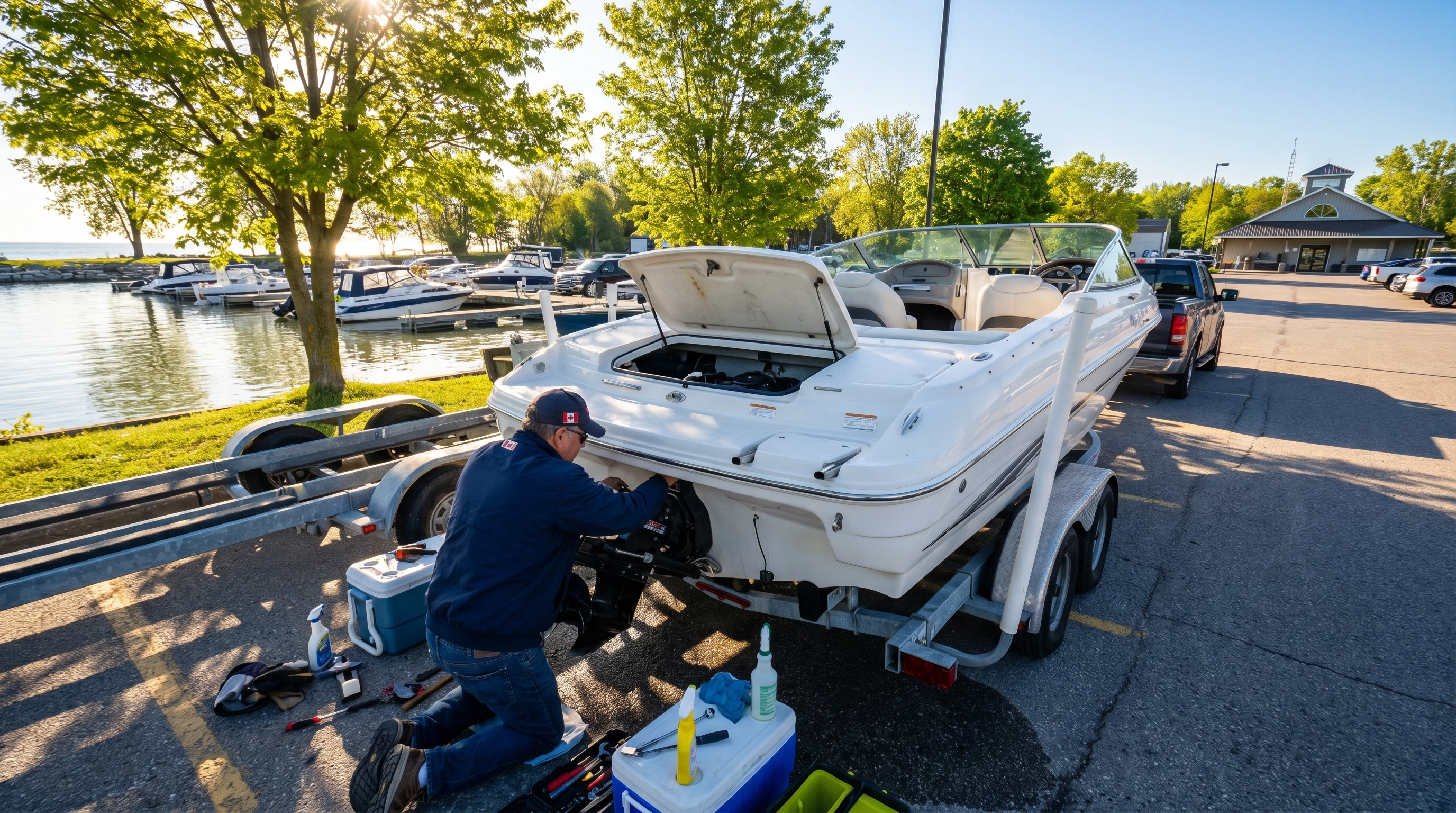
How to Summerize Your Boat: The Complete Spring Checklist for Canadians
There is a specific feeling that hits every Canadian boater around late April or early May. The ice has finally melted off Lake Erie, the sun is starting to feel genuinely warm, and you catch yourself staring at the boat trailer in the driveway. You know

Dwayne Rodrigues
Boat Owner & Enthusiast
 Resources
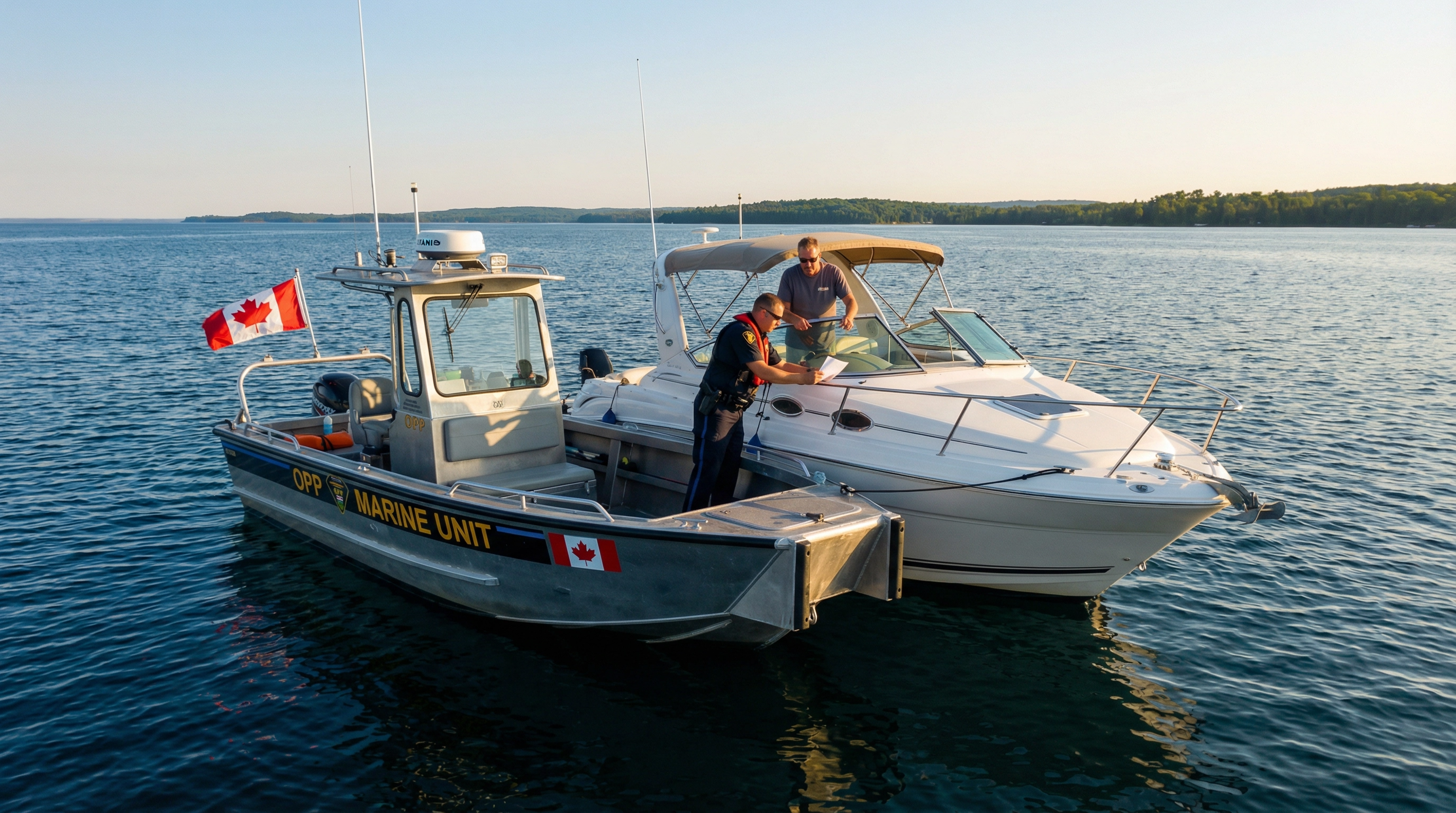
Transport Canada Boating Rules: The Complete Guide
Navigating the waters of Canada offers some of the most spectacular recreational boating in the world, from the vast expanses of the Great Lakes to the intricate networks of coastal inlets. However, this privilege comes with a profound responsibility.
Dwayne Rodrigues
Boat Owner & Enthusiast
 Resources
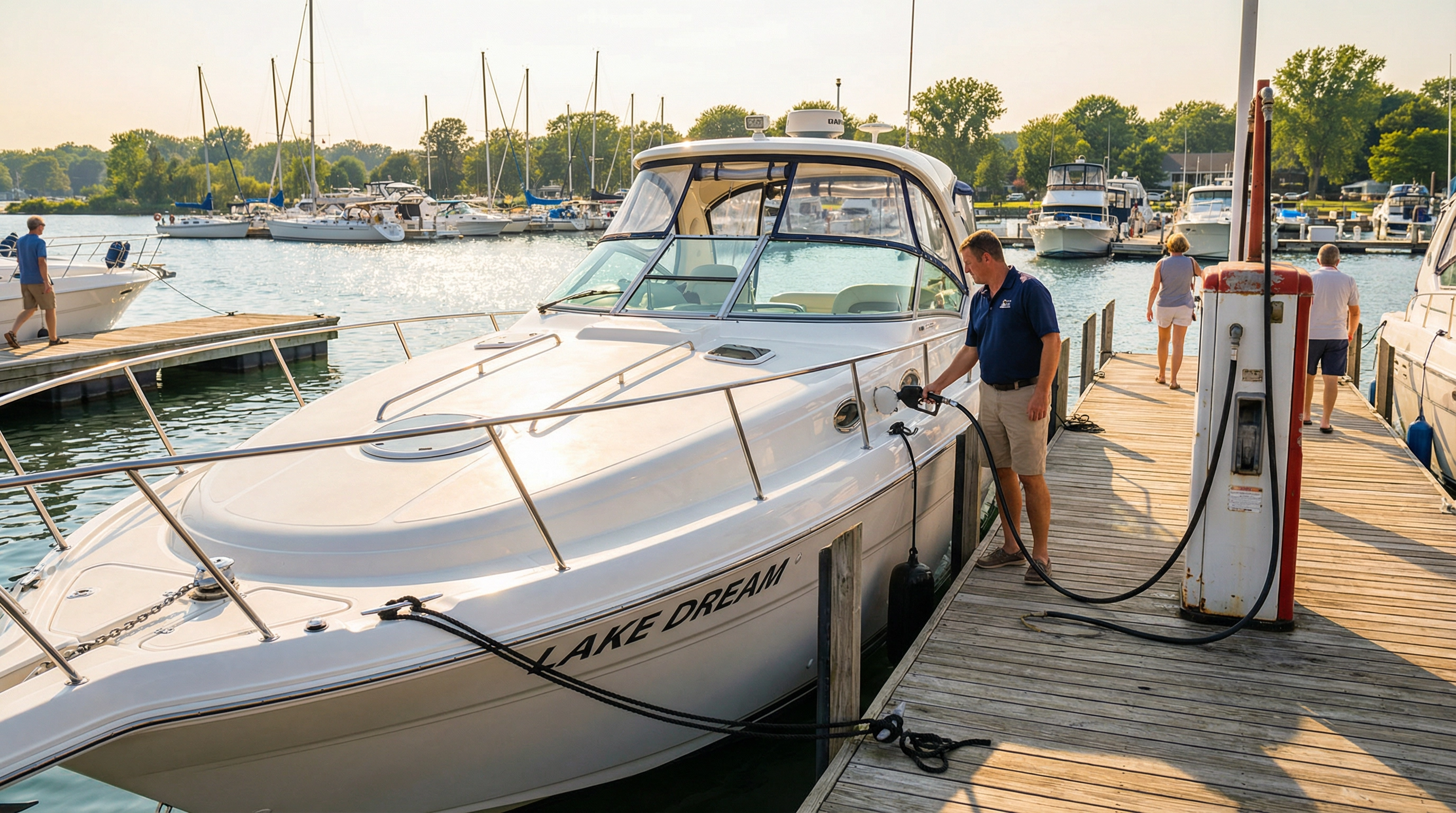
Fuel Planning for a Long Weekend: How to Never Get Stranded on the Water
That quiet, creeping anxiety is something almost every boater has felt at some point. Running out of fuel on the water is not just embarrassing. It's genuinely dangerous. You lose steerage, you lose the ability to respond to changing weather, and you becom
Dwayne Rodrigues
Boat Owner & Enthusiast